
The Thai art scene developed stridently despite times of conflict.
Apinan Poshyananda
Chief executive and artistic director of
Bangkok Art Biennale and curator of “The Spirits Of Maritime
Crossing 2026” at Venice Biennale
Creative defiance
Despite decades of political upheaval, Thai art has transformed into a globally recognised force
Similar to the long struggle in Thai democracy, modern and contemporary Thai art faced many turning points. Like broken shards that reflect socio-political events through eight decades, the story of Thai art is full of contradiction, irony and fallacy. Despite attempts to package its development into neat chronology and styles to comply with national identity, Thai art reflects schism and a desire to break with conformity and status quo.
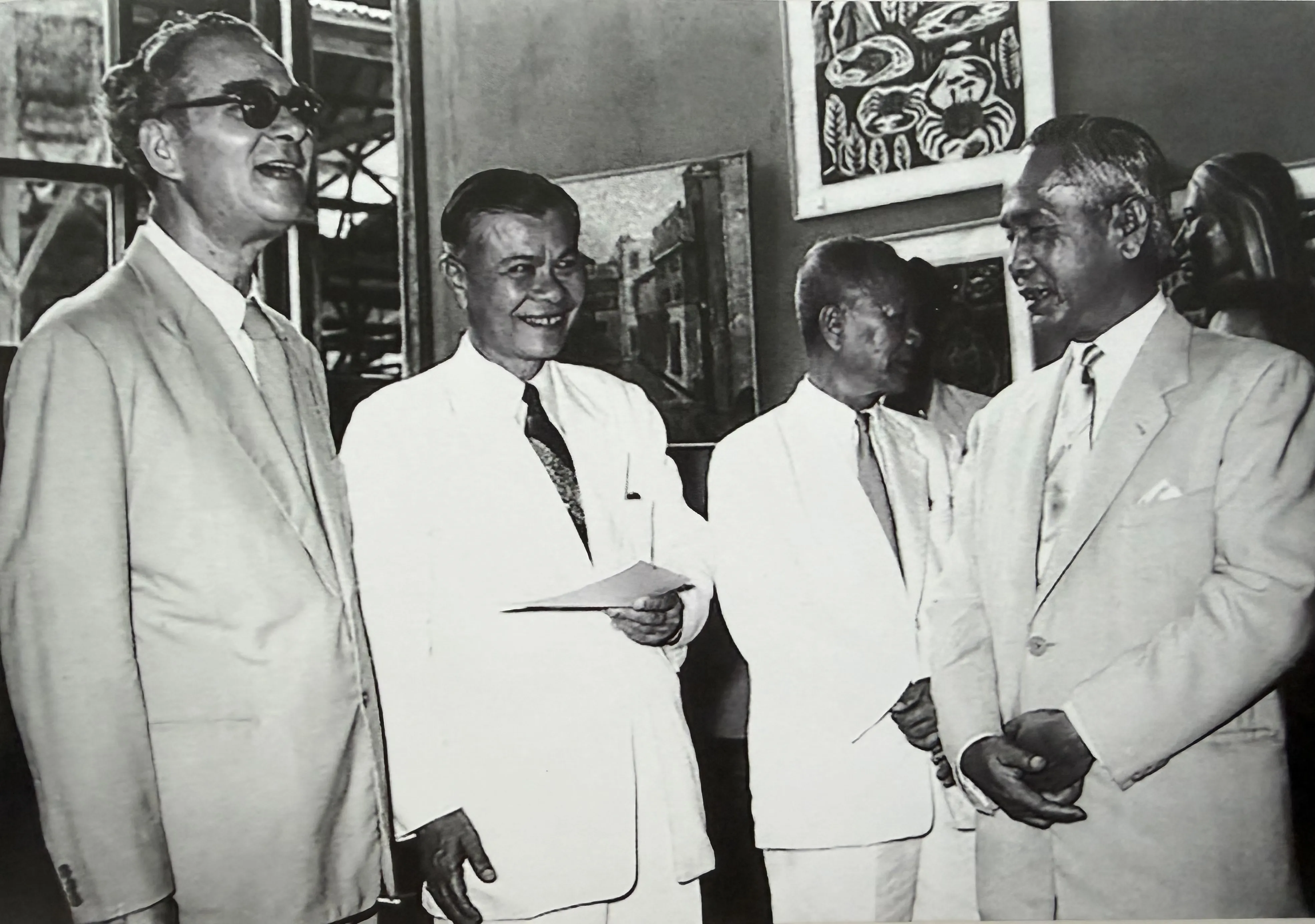
The National Exhibition of Art founded by Silpa Bhirasri in 1949 was the beginning of modern Thai art. Students from Silpakorn University received recognition by serving under the dictatorship of Phibun Songkhram to build monuments and art that served nation-building schemes.
After the death of Bhirasri, struggle for power at Silpakorn University resulted in protest by artists over award winners at the national art contest. The feud led to a boycott as artists surged towards avant-garde art. America and Europe opened opportunities through education and funding to expand their horizons.
Michael Smithies and Hiram Woodward wrote on the art scene during the Cold War. | Souvenir shops and galleries emerged as tourists and American GIs flocked to Bangkok. Philanthropist Princess Pantip Chumbhot played a significant role as Suan Pakkad Palace became a meeting place for art aficionados and artists. Damrong Wong Uparaj, Praphan Sisouta, Thawan Duchanee received grants to study abroad. Sumet Jumsai and Piriya Krairiksh returned from Europe full of inspiration. Mr Piriya painted in expressionist style with King Bhumibol as both visited Oskar Kokoschka’s studio in 1963.
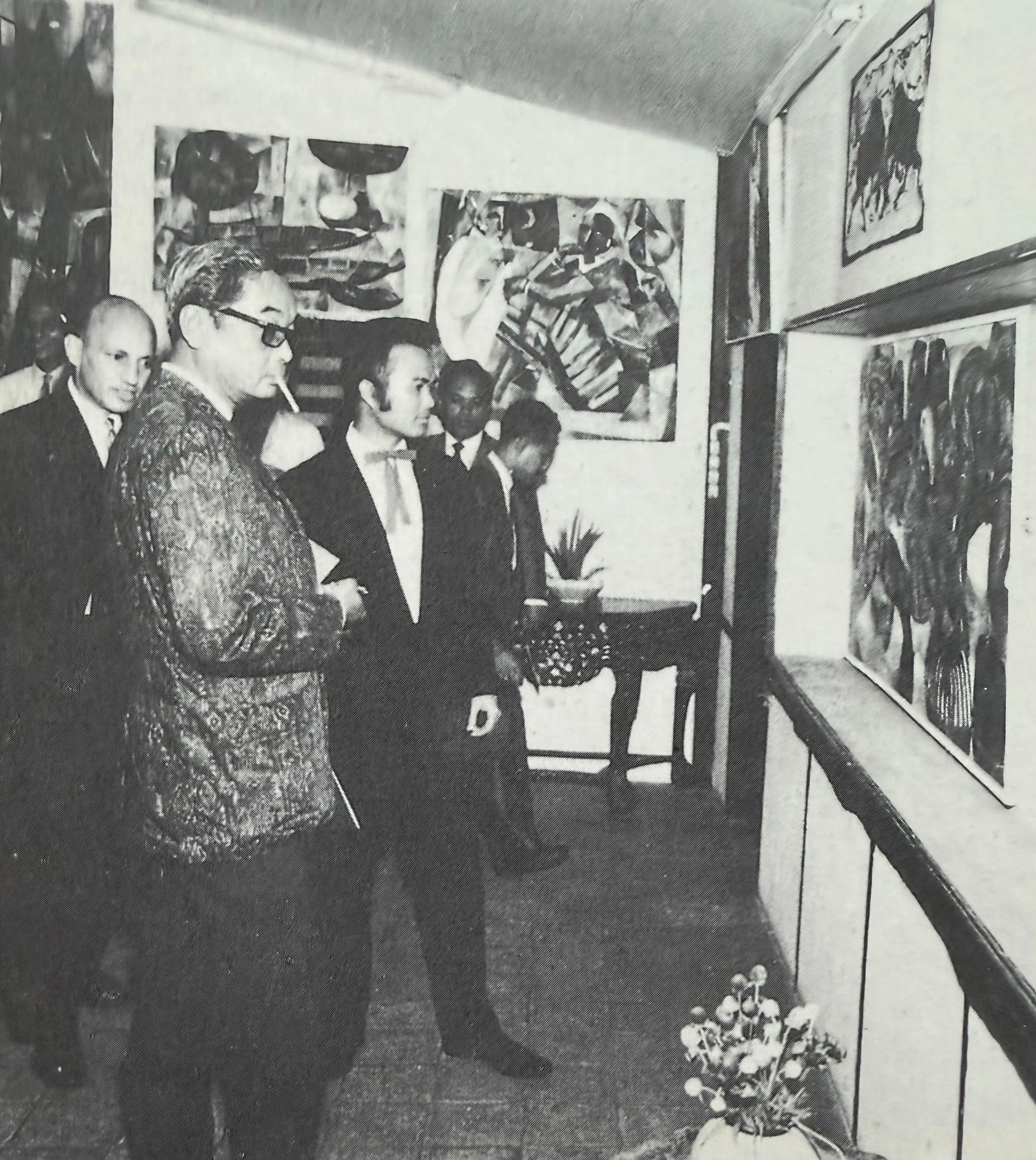
The Bhirasri Institute of Modern Art (BIMA) became a thriving centre for art and performance. Chatvichai Promathadvethi organised international and local exhibitions and corporate patronage contributed to art contests. Meanwhile, Puay Ungpakorn, Boonchu Rojanasthein, Amnuay Veerawan, Bancha Lamsam, Tarin Nimmanahaeminda, Sivaporn Dhandrananda began to collect extensively.
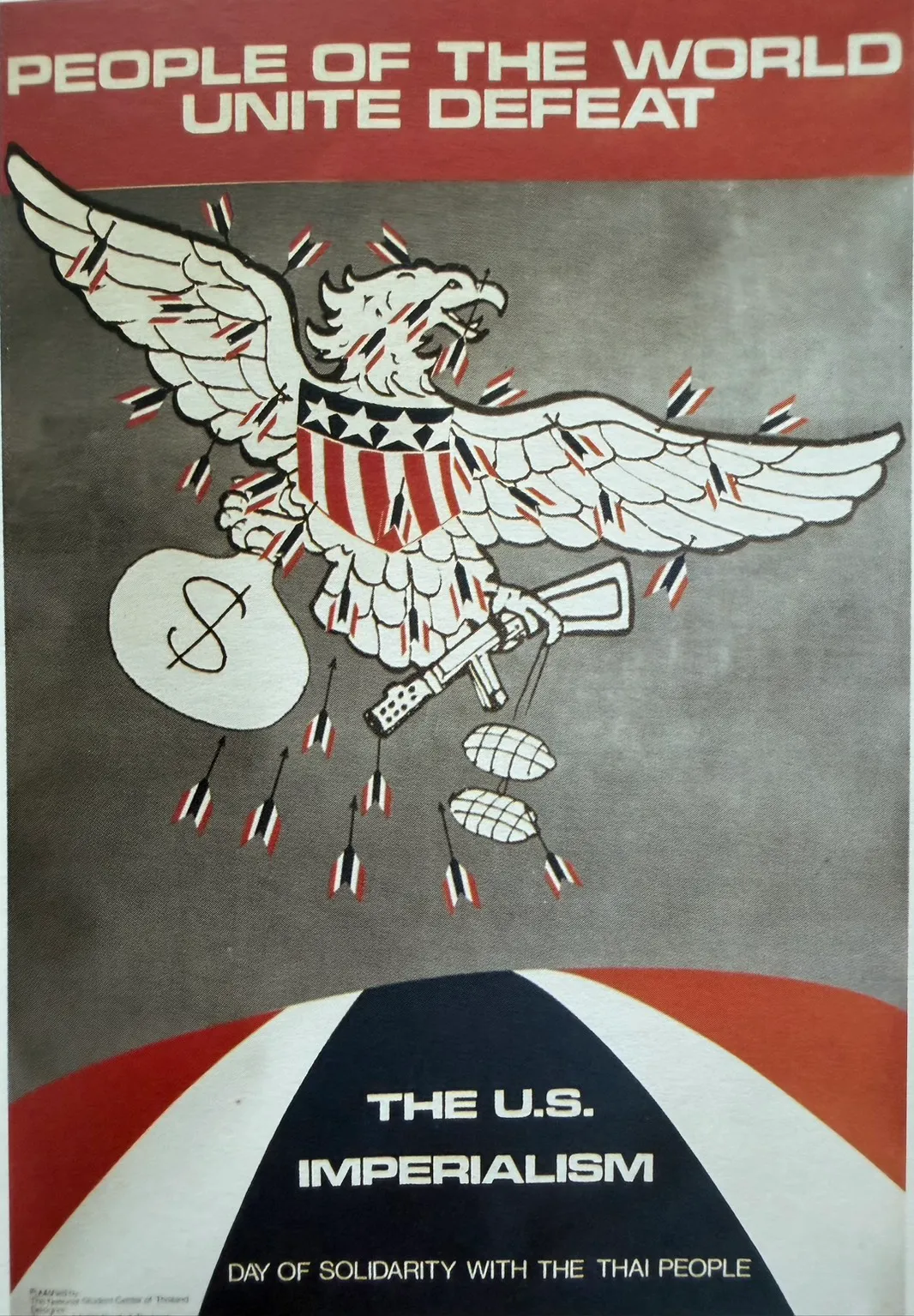
The October student uprising in 1973 and 1976 marked a deep schism in Thai politics and the art scene. Anti-American sentiment, military dictatorship and slaughter at Thammasat University ripped the nation apart. Pratuang Emjaroen, Chang Sae Tang, Somchai Hatthakitkosol became symbolic figures of the suppressed while Kamchorn Soonpongsri led the Artists’ Front of Thailand that promoted art for the people and socialism.
Under General Prem Tinasulanonda’s government, neo-traditional Thai art was promoted as a pillar of the nation. National artists Thawan, Pichai Nirand, Preecha Thaothong, Chakrapan Posayakrit became icons of Thai art. Wat Buddapadipa in Wimbledon decorated by Chalermchai Kositpipat and Panya Vijinthanasarn marked the highlight of Thai revivalism. Expatriates Rolf von Buren, Jean-Michel Beurdeley, Robert G. Boughey, Alfred Pawlin also contributed significantly to a revival of Thai art.
In 1982, the “Art Since 1932” exhibition curated by Mr Piriya traced the history of modern Thai art. Wethi Samai at BIMA, initiated by Mr Chatvichai and Chumpon Apisuk, comprised art experimentation. Under the pen name Nanipa, Apinan Poshyananda wrote for the Bangkok Post. His exhibition “How to Explain Art to a Bangkok Cock” and Kamol Phaosavadi’s “Song for the Dead Art” at BIMA ushered in appropriation and postmodern art. Somporn Rodboon, an art historian curated Thai art in Japan and Australia.
In 1990s, Modern Art in Thailand by Mr Apinan was published by Oxford University Press. Montien Boonma, inspired by Arte Povera and a spiritual quest, became a rising star. Rirkrit Tiravanija’s Thai cooking as process art was recognised as the core of relational aesthetics. Both Mr Montien and Mr Rirkrit elevated Thai art to new heights. “Traditions/Tensions” at The Asia Society, New York, curated by Mr Apinan reached the watershed of Asian art that travelled to three continents. The Art Center, Chulalongkorn University, Project 304, Tadu, About Café, Visual Dhamma, Numthong Gallery, Tang Gallery, VER became active art spaces. Chiang Mai Social Installation and the Land Foundation drew international recognition.
Civic action and protest art reflected the swings in Thai politics. Vasan Sitthiket, Manit Sriwanichpoom, Thanom Chapakdee, Mongkol Plienbangchang stood out as the voice against corruption and dictatorship. Mr Chumpon’s Asiatopia and Womanifesto led by female artists pushed boundaries concerning roles of artists in society. Araya Rasdjarmreansook, Pinaree Sanpitak, Phaptawan Suwanakudt also made their mark internationally.
In 1996, “Golden Jubilee Art Exhibition” was a major fund-raising project by the Rama IX Art Museum Foundation, while the Bangkok Art and Culture Foundation was formed by Kraisak Choonhavan. The 1997 financial collapse resulted in a backlash on art investment. In 2002, PM Thaksin Shinawatra contributed to a major turning point with the expansion of Thailand Cultural Centre into the Asean Gateway. The cultural compex featured a state-of-the-art system highlight art gallery, concert hall, digital library and offices.
In 2003, the Office of Contemporary Art and Culture headed by Mr Apinan started art funds and acquisition, the Silpathorn award for mid-career artists and first Thai pavilion at 50th Venice Biennale. Temple Of The Mind by the late Montien travelled to New York, San Francisco and Canberra. In 2006, the Thai Cultural Festival “Tout a fait Thai” in Paris staged an exciting display of khon dance, cuisine, fashion, film and art.
In 2008, the opening of the Bangkok Art and Culture Centre (BACC) was a significant step offering art, education, music, performance and film. Highlight exhibitions included “Thai Trends from Localism to Internationalism” and “Spectrosynthesis II: LGBTQ in Southeast Asia”. As a public art space, BACC endured attacks from opposing spectrums of political ideologies. In 2010, the burning of Bangkok and killings of Red-Shirt protestors at Ratchaprasong caused deep scars among Thai people.
The Thai art scene developed stridently despite times of conflict. Apichatpong Weerasethakul won prestigious awards at Cannes Film Festival, Mr Thawan’s Baan Dam Museum and Mr Chalermchai’s Wat Rongkhun opened in Chiang Rai, Boonchai Bencharongkul’s Museum of Contemporary Art, Petch Osathanugrah’s masterplan for an art museum, 100 Tonson Foundation by Ekanong Panachet, Jim Thompson Art Center and MAIIAM under guidance of Gridthiya Gaweewong and Eric Booth, Bangkok City City, Warin Lab, VER, Cartel and V.S. Gallery.
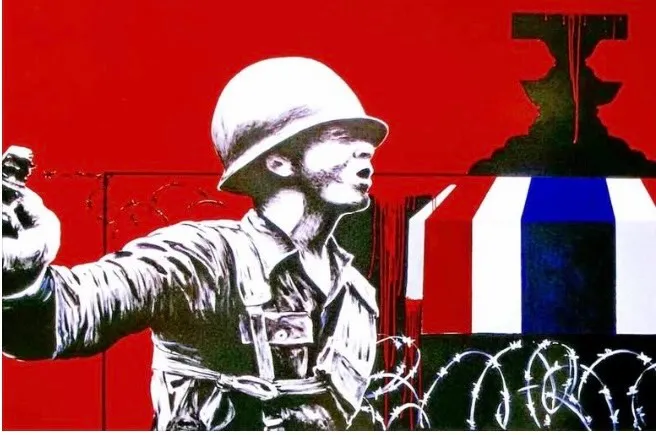
Between 2014 and 2026, Thai democracy faced various challenges and crazy turns that caused setbacks for Thai art. Bitter struggles in politics resulted in coloured-shirt clashes that forced artists to take sides. Thai art endured protests against corruption and dictatorship. Under the Prayut Chan-o-cha government, art against censorship came in the form of flash mobs, code games, graffiti and social media. The Move Forward Party and orange shirts attracted support by artists and art workers. Khonkaen Manifesto, Ubon Agenda and Bangkok Biennial reflected alternative art and local politics.
The Paetongtarn Shinawatra government’s obsession with the populist policy of soft power failed to reach its goal. Pathetically, the National Gallery of Art at Ministry of Culture stands like a monument of failure and obsoletion.
Under Anutin Charnvirakul’s government facing economic tsunami and political instability, policy on art and culture remains stagnant. Despite stuttering development, Bangkok still ranks high as a hub for contemporary art in Asia. Since 2018, the Bangkok Art Biennale sponsored by Thai Beverage and government-run Thailand Biennale has included hundreds of artists worldwide to show in Bangkok and the provinces. The opening of One Bangkok, Dib Bangkok, Bangkok Kunsthalle, Khao Yai Art Forest, Sermkhun Kunawong Museum House, Museum Pier, Tang Chang Museum, Art Jewel at Siam Paragon, MoNWIC Museum and De-Central prove healthy signs for future of Thai art.
In 2026, major turning points include Art Basel awards to Mr Rirkrit, Mr Apichatpong and Kulapat Yantrasast; Mr Apichatpong awarded French Legion d’Honneur; Pichet Klunchun awarded Laureate of Fukuoka Prize. The exhibition “The Spirits of Maritime Crossing” was selected among nine stand out collateral events at 61st Venice Biennale. Not bad for a nation struggling to develop an art ecosystem and understand the meaning of soft power.
Apinan Poshyananda is chief executive and artistic director of Bangkok Art Biennale and curator of “The Spirits Of Maritime Crossing 2026” at Venice Biennale. He is also the author of upcoming book From Siamese Smile to Thai Turbulence: Thai Art 1861-2026 (2027).