
EVs are not THE ultimate solution.
I don’t think it is a
good idea to have electric trucks carry cement uphill.
Thammasak Sethaudom
President, Siam Cement Group
SCG pushes inclusive green transition
Cement giant says SMEs need more support to embrace clean energy, EVs and recycling, writes Ranjana Wangvipula
While the Israeli-US war against Iran has cast a bleak outlook over the global fossil fuel market, electric vehicles (EVs) and solar power are attracting greater attention.
The Middle East conflict is disrupting petroleum production and distribution, with analysts predicting that it could take a long time for oil and gas supplies to return to normal.
“We are paying more heed to solar power because conventional energy sources are facing challenges. We are using more EVs because oil has become more expensive,” said Thammasak Sethaudom, president and chief executive of Siam Cement Group (SCG), the 113-year-old cement maker and industrial conglomerate.
This could be a critical moment for Thailand to step up efforts to reduce reliance on fossil fuels and cut carbon dioxide emissions in order to achieve the UN’s Sustainable Development Goals, which include fostering green industries and lowering carbon footprints, he said.
“While some entrepreneurs remain hesitant to invest in solar power and EVs, SCG is keen to use more clean energy,” said Mr Thammasak.
Thailand is making some progress in promoting renewable energy and low-carbon businesses, he said.
Yet more work is required to ensure the campaign against global warming is not limited to large, wealthy companies and extends to smaller firms with limited budgets, Mr Thammasak said.
LOW CARBON FUTURE
EVs and solar power are paving the way for Thailand to build a low-carbon society, but the country does not need to completely abandon fossil fuels, which remain crucial for the transport and power sectors, he noted.
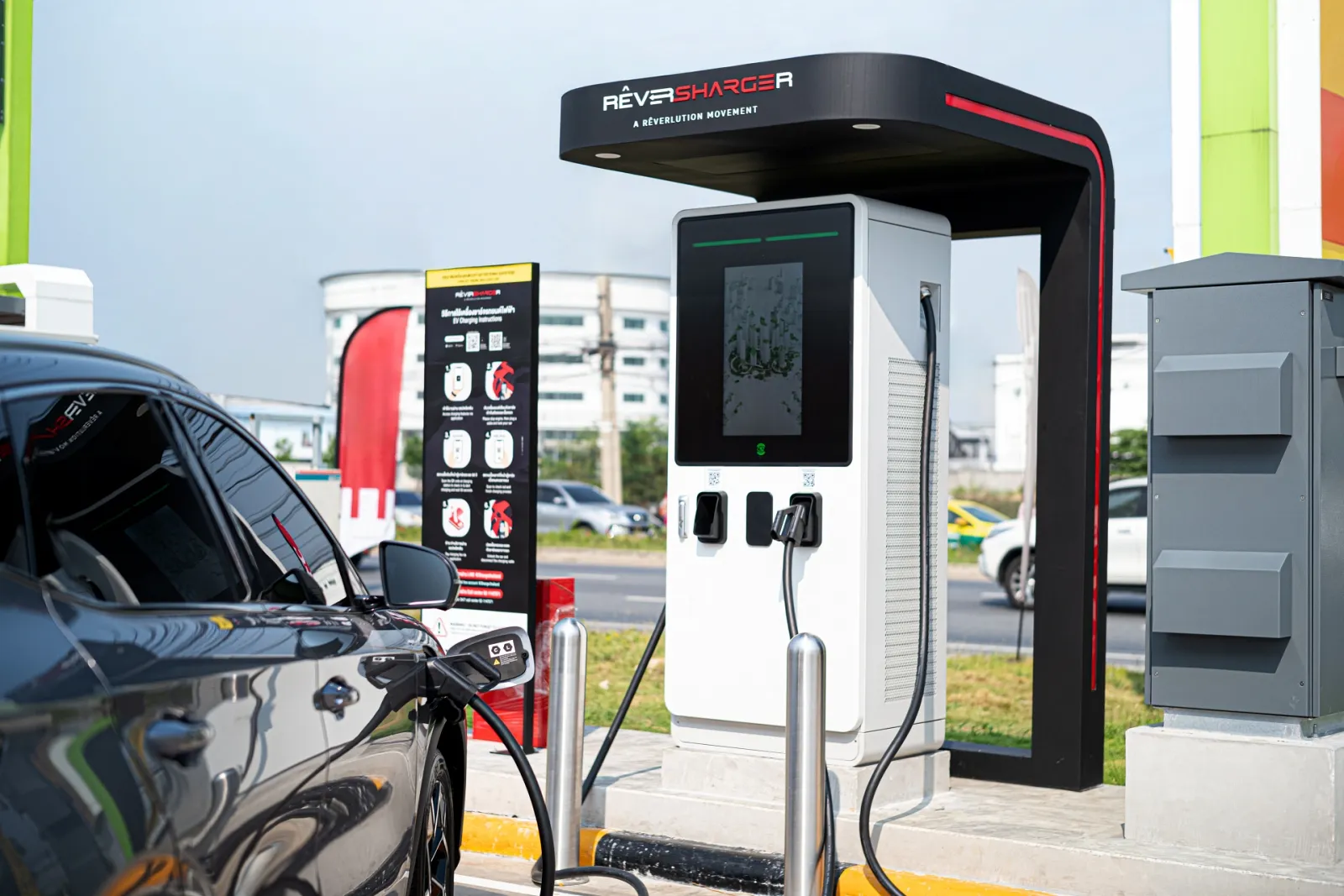
Businesses and households are buying more EVs not only because the vehicles are kinder to the environment, but also because they want to save money on costly fuel.
During the first quarter of this year, newly registered battery EVs in Thailand, including electric trucks and pickups, soared by nearly 97% year-on-year to 62,981 units, according to the Department of Land Transport.
Recognising the benefits of reducing diesel consumption, SCG, through its subsidiary SJWD Logistics Plc, aims to increase the number of EVs used for transport operations.
However, Mr Thammasak said SJWD Logistics does not plan to replace all of its internal combustion engine-fuelled (ICE) trucks with battery-powered vehicles.
“EVs are not an ultimate solution. I don’t think it is a good idea to have electric trucks carry cement uphill,” he said.
The company still needs diesel trucks for mountainous routes, but electric ones work well in the flat central region.
Logistics requires a mix of ICE trucks, EVs and vehicles powered by biofuels, Mr Thammasak said. The adoption of more electric trucks will also be determined by the availability of charging stations, he noted.
Under the “30@30” policy, Thailand aims for EVs to account for 30% of total auto production by 2030, including 725,000 zero-emission cars, 675,000 electric motorcycles and 34,000 electric buses and trucks.
Mr Thammasak said he believes the government’s efforts to promote renewable energy will bear fruit.
Energy authorities plan to significantly increase the proportion of renewable energy in the country’s energy mix in order to achieve the net-zero target, but they still need to use fossil fuels, especially natural gas, for the sake of national energy security.
“More clean power from solar and floating solar farms will encourage businesses to invest in Thailand,” Mr Thammasak said.
Foreign investors in the data centre industry want the government to ensure there will be a sufficient supply of clean energy for their daily operations.
This has prompted the government to develop more clean power generation facilities, as well as launch a pilot direct power purchase agreement scheme allowing companies to buy electricity directly from power firms.
Peer-to-peer power trading has been prohibited in Thailand.
ENHANCING RECYCLING
Thailand needs to develop more recycling facilities to deal with electronic waste, especially EVs and batteries, the volume of which will increase as a growing number of people switch to electric mobility.
The amount of waste electrical and electronic equipment, including home appliances, stood at 439,495 tonnes in 2022, highlighting the need for proper recycling and disposal, according to the Pollution Control Department.
“Recycling is important as it promotes green industries,” Mr Thammasak said.
SCG Chemicals (SCGC), the petrochemical arm of SCG, is collaborating with HomePro, a retailer of home appliances and furniture, on a campaign to recycle unwanted electrical appliances.
HomePro customers will be encouraged to return old electrical appliances to the company in exchange for discounts on new products.
The electronic waste will be collected by SCGC, which can recycle the plastic into green polymers that can be used to make electrical products again, according to SCGC.
To strengthen the recycling business in Thailand, the government should introduce the Green Dot system to entrepreneurs and households, said Mr Thammasak.
Green Dot, which originated in Germany in the 1990s, is a symbol found on packaging that indicates the manufacturer has made a financial contribution towards recycling and recovery systems.
The packaging itself may not be recyclable or made from recycled materials. The Green Dot only shows that the company participates in a scheme to help fund the collection, sorting and recycling of packaging waste.
INCLUSIVE GREEN GROWTH
SCG does not want to succeed in environmental campaigns alone, but also wants other companies, including business partners, to follow suit — a move that will significantly help Thailand protect the environment.
The company has launched low-carbon cement, becoming the first producer in Thailand and Southeast Asia to commercialise the product.
Mr Thammasak said he wants to see other companies, notably small and medium-sized enterprises (SMEs), initiate environmental projects.
“To achieve environmental goals, companies along the supply chain must move in the same direction,” he said.
He is aware that small firms have limited budgets and resources to make major changes to their operations.
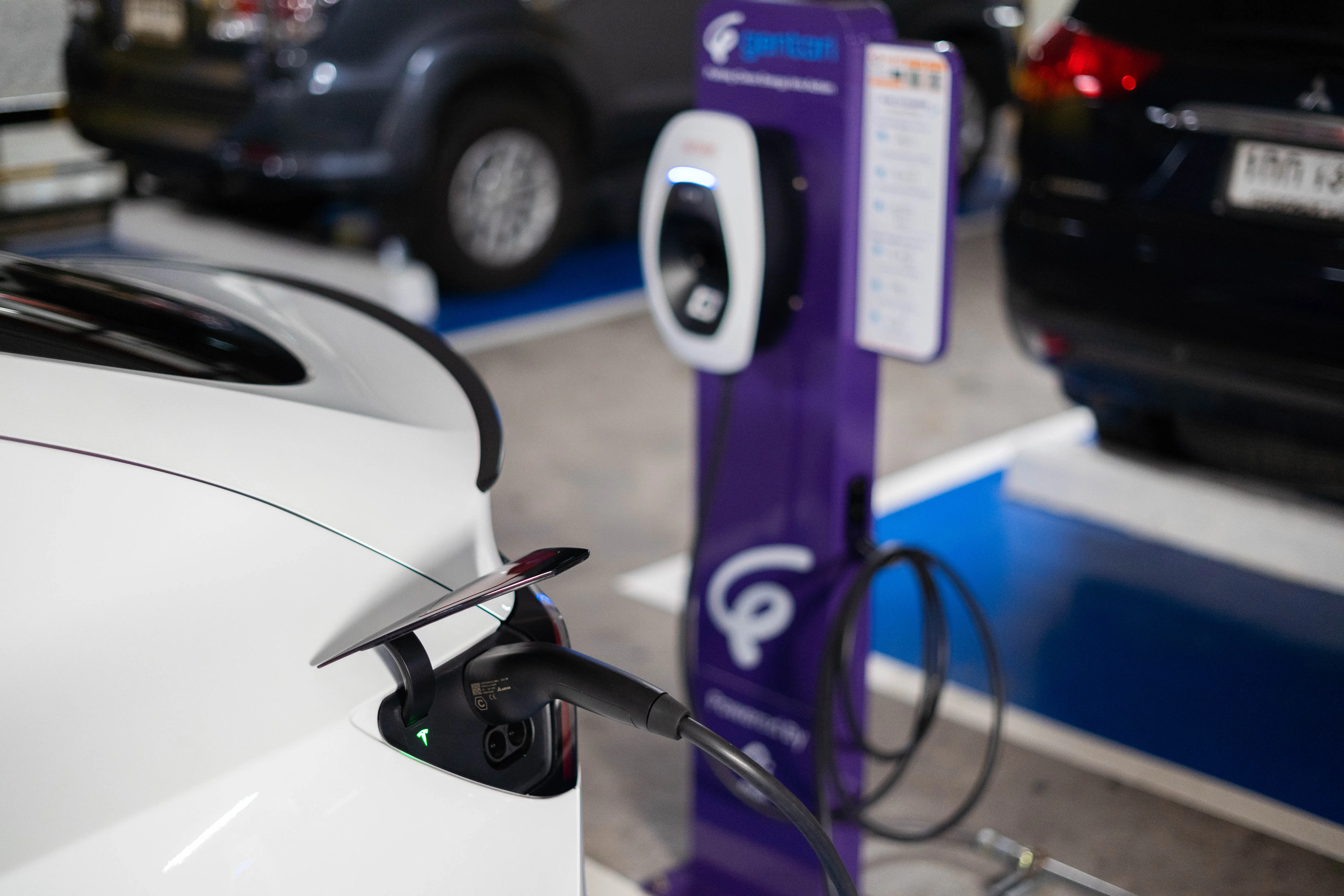
For example, if these firms want to adopt EVs, they need to invest in charging infrastructure, but that is an uphill task.
They should come together and make a “collective request” for government support, said Mr Thammasak.
“I believe the government will listen to their call because the government knows SMEs are important to the country,” he said.
With EV adoption rising and solar projects expanding, the country is laying the groundwork for a low-carbon future.
The challenge now is ensuring that small businesses and households can join the transition, making the nation’s net-zero ambitions for 2050 both inclusive and achievable.