Existing international protocols have effectively broken down.
Panitan Wattanayagorn
Security and foreign affairs scholar
Kingdom faces ‘perfect storm’ from MIDDLE EAST tensions
Foreign affairs scholar says Thailand must find ‘dynamic balance’ amid China-US rivalry as it gets dragged into crossfire amid rising oil prices and disrupted trade, writes Mongkol Bangprapa
Thailand is facing mounting economic, diplomatic and geopolitical pressure from the escalating tensions around the Strait of Hormuz, says security and foreign affairs scholar Panitan Wattanayagorn.
he prolonged disruption is threatening energy security, trade flows and regional stability, and the crisis could last some time, he added.
In an interview with the Bangkok Post, Mr Panitan warned the “only certainty is uncertainty” as overlapping restrictions imposed by Iran and the United States on navigation through the strategic waterway restrict access, with cascading effects across the globe.
Iran’s unilateral restrictions have already disrupted shipping, while additional US measures have further complicated transit through the strait, a vital route for global energy supplies that has become a strategic pressure point between Tehran and Washington.
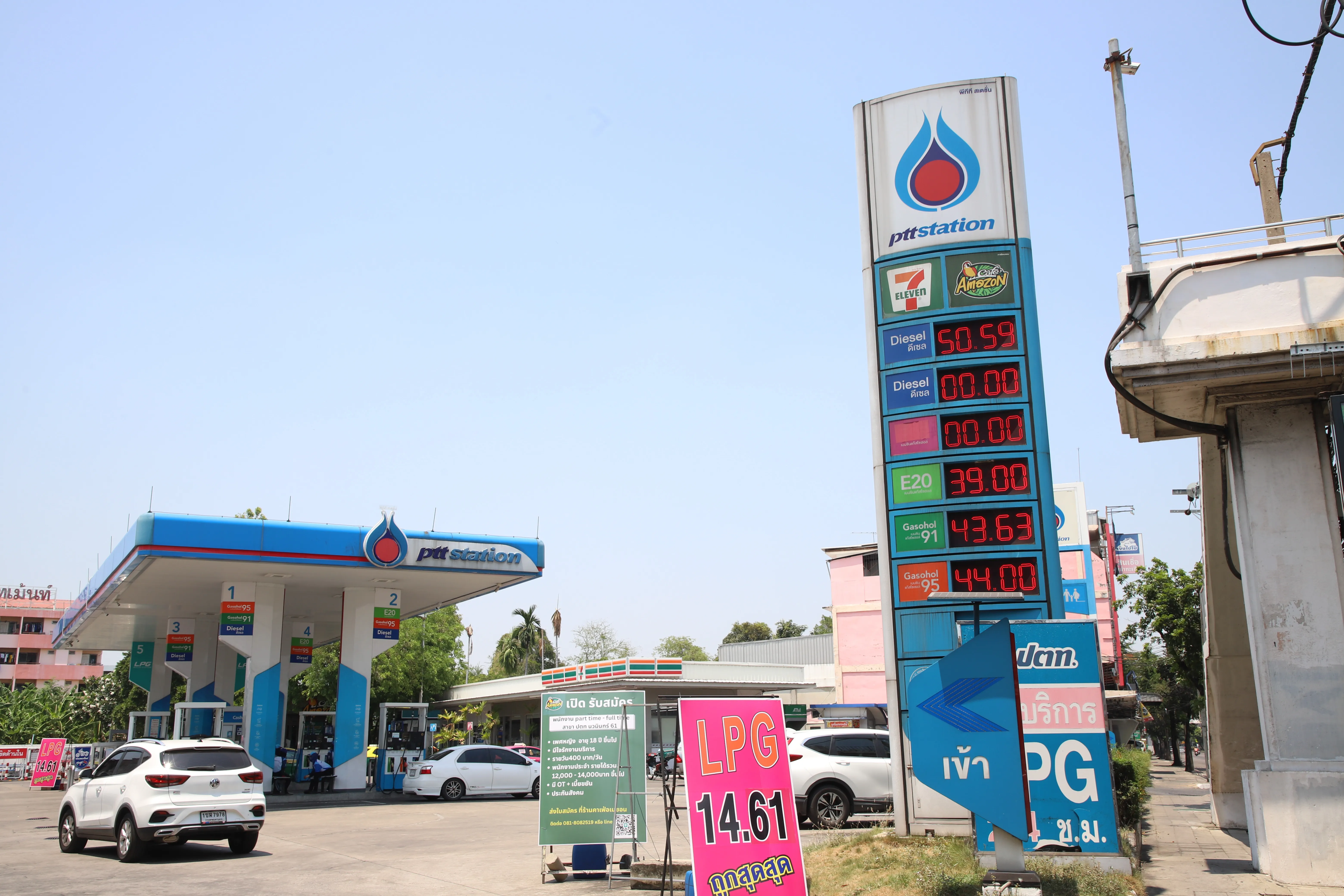
Thailand is particularly exposed. More than half of its crude oil imports come from the Middle East via the strait, leaving the country vulnerable to sustained disruption.
The impact has already triggered what Mr Panitan described as the first of three economic “storms” confronting Thailand — rising oil prices, disruption to imports and exports, and a sharp decline in trade with Middle Eastern markets.
Trade volumes with the region have fallen by more than half, he said, while higher energy prices are feeding into consumer costs and pushing up the cost of living.
“Iran’s action alone is already problematic, and the additional restrictions imposed by the United States are making access even more difficult,” he said.
Shipping conditions have tightened sharply. Vessels must avoid overt alignment with either side, refrain from providing military assistance and, in some cases, pay transit fees to Iran, while also navigating increasingly complex negotiations with US authorities.
Mr Panitan said the strait had effectively become a bargaining tool in the broader confrontation between Tehran and Washington.
Nuclear tensions and strategic rivalry
Mr Panitan said Washington’s primary concern remains Iran’s nuclear programme, particularly uranium enriched to 60%, which has raised concerns in the United States, Europe and the Middle East.
Approaches differ among major powers. European countries favour diplomatic pressure through the United Nations, while some Middle Eastern states continue engaging Iran directly.
Israel represents another complicating factor, with a strong interest in weakening Iran’s regional influence, he added.
“Existing international protocols have effectively broken down,” Mr Panitan said, referring to Iran’s restrictions and overlapping US measures that have disrupted long-standing frameworks governing maritime passage.
He added that some countries were beginning to view strategic chokepoints as leverage tools. Indonesia, for example, may study whether similar pressure could be applied through the Strait of Malacca, where restricting access could generate significant geopolitical leverage at relatively low cost.
Looking ahead, Mr Panitan said new international mechanisms could emerge to manage the crisis, potentially involving France and the United Kingdom working alongside the United Nations, Japan and South Korea.
Beyond nuclear concerns, he said Washington also aims to limit Iran’s regional influence and ensure global energy flows do not disproportionately benefit China.
For Iran, however, survival remains the immediate priority.
Mr Panitan said Tehran was seeking to preserve its political system, maintain national dignity and secure compensation for wartime damage, while deterring future actions by Israel.
Caught in geopolitical crossfire
Thailand is also facing a second “storm” following an attack on a Thai vessel that killed three crew members in an incident that remains unresolved.
While the kingdom has lodged diplomatic protests and Iran has signalled a willingness to cooperate, attempts to reach Iran’s top leadership have reportedly been unsuccessful.
Mr Panitan said the situation had become more complicated because Thailand was perceived as aligned with Washington due to its long-standing military cooperation with the United States, including access to facilities such as Krabi airport and U-tapao naval base, as well as joint exercises such as Cobra Gold.
“This issue is not widely discussed, but Iran has effectively made Thailand a de facto party to the conflict,” he said.
He warned that negotiations to retrieve vessels or secure safe passage were likely to become more difficult and costly.
Slowdown and power rivalry
The third “storm”, Mr Panitan said, stems from the intensifying rivalry between China and the United States alongside a broader global economic slowdown.
Thailand’s economic growth remains weak at just above 1%, while European markets continue to soften, leaving the United States as Thailand’s key export and investment market.
Failure to secure favourable trade and tariff arrangements with Washington could deepen economic difficulties, particularly as domestic production and consumption are already slowing under the weight of higher energy costs, he said.
“The third storm is highly complex,” Mr Panitan said. “China is expanding its role in the region, while Asean still struggles to stabilise itself.”
To mitigate the impact, Thailand must protect export markets, accelerate tourism recovery and attract foreign investment, particularly from the United States, including in sectors such as green energy, he said.
If conditions worsen, the government may eventually need to rely on stimulus spending and additional borrowing, although agricultural exports remain relatively resilient.
Balancing US and China
Mr Panitan also questioned the long-term viability of large-scale logistics projects such as the proposed Land Bridge and the Thailand-China railway.
While the projects may provide short- to medium-term support, they are unlikely to replace established maritime trade routes through key strategic straits, he said. Environmental opposition and concerns over cost-effectiveness could also hinder progress.
On foreign policy, Mr Panitan said Thailand should adopt a “dynamic balance” between the United States and China rather than attempting to maintain a fixed neutral position.
Thailand should strengthen security cooperation with Washington while deepening trade and investment ties with Beijing, he said.
Closer ties with the US could help offset trade disadvantages and tariff pressures, while stronger engagement with China could support investment, reduce Thailand’s trade deficit and revive Chinese tourism, which has fallen sharply. Authorities must also intensify efforts to crack down on illicit “grey” Chinese business activities, he added.
Mr Panitan also urged Thailand to reconsider its role in the Lancang-Mekong cooperation framework, noting that China was already playing an increasingly important role in Mekong water management and border issues involving Myanmar and Cambodia.