In the business world, we learn the most important thing in dealing with uncertainty is not predicting the future with precision, but creating sustainability and resiliency. Thailand’s situation is no different.
Sarath Ratanavadi
Chief executive, Gulf Development
Thailand embraces clean energy amid geopolitical turmoil
The head of Gulf says a strong energy system must be reliable, affordable and sustainable, writes Yuthana Praiwan
As conflicts in the Middle East continue to disrupt oil and gas transport routes, Thailand is being forced to confront a pressing question: how can the country secure reliable, affordable and sustainable energy for the long term?
The volatility of fossil fuel prices and the tightening of global supply chains have underscored the urgency of rethinking energy management strategies.
Sarath Ratanavadi, chief executive of Gulf Development Plc, Thailand’s largest energy company by market value and a major telecoms operator, believes the answer lies in building resilience and sustainability into the nation’s energy system.
“In the business world, we learn the most important thing in dealing with uncertainty is not predicting the future with precision, but creating sustainability and resiliency. Thailand’s situation is no different,” he said.
HARD LESSONS
Thailand has already endured two major energy shocks in recent years: the Russia-Ukraine war in 2022 and the Israel-US war with Iran this year.
Both crises disrupted global energy flows and sent prices soaring.
For Mr Sarath, the lesson is clear — a strong energy system must meet three goals simultaneously: reliability, affordability, and sustainability.
Reliability ensures households and industries have access to sufficient energy at all times, affordability keeps costs from burdening consumers and businesses, while sustainability aligns with Thailand’s commitment to reducing carbon emissions and achieving net-zero targets.
Balancing these three objectives is the only way forward, he noted.
BUILDING RESILIENCY
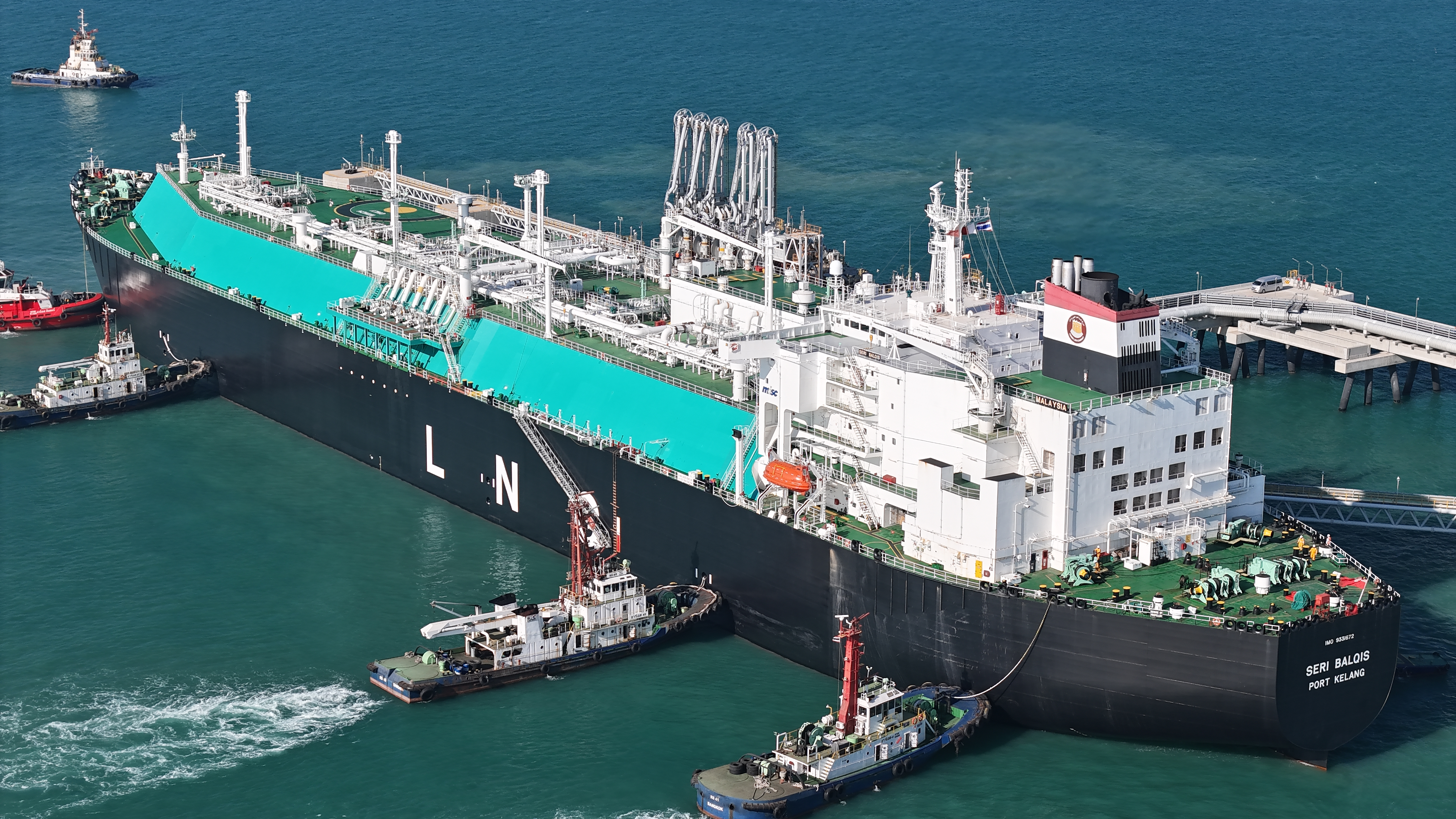
Resiliency includes diversifying fuel sources, especially liquefied natural gas (LNG), as well as suppliers to reduce exposure to supply shocks, said Mr Sarath.
He pointed to Thailand’s ability to secure LNG from multiple sources during the recent Middle East crisis as a key factor in weathering the storm.
Spot LNG prices swung sharply after supply routes from Qatar — the world’s largest LNG producer — were disrupted by the closure of the Strait of Hormuz.
Yet Gulf reported minimal impact thanks to its diversified purchases, particularly from Nigeria.
“Having multiple suppliers helped Thailand navigate the crisis, even though LNG prices rose significantly,” Mr Sarath said.
Globally, natural gas continues to serve as a “transition fuel” for countries shifting towards clean energy.
While coal is being phased out in developed nations, it still plays a role in emerging markets.
Mr Sarath said gas-fired power plants remain essential because they provide stable electricity at reasonable costs, emit less carbon than coal or oil, and can operate around the clock.
“Gas plants are what keep the lights on. Even the EU still considers LNG a necessary transition fuel,” he said.
TOWARDS SUSTAINABILITY
Looking ahead, Mr Sarath sees sustainability as the cornerstone of Thailand’s energy future, urging the country to expand its embrace of clean energy solutions.
He advocates for accelerating investment in clean energy infrastructure — solar, wind, and hydropower — alongside technologies that stabilise the grid, such as smart grids, battery energy storage systems (BESS), and pumped hydro storage.
BESS, though expensive, is vital to addressing the intermittency of renewable sources. Solar and wind power depend on weather conditions, making them unreliable without backup systems.
Pumped hydro storage, which involves pumping water uphill for later release to generate electricity, offers another solution to balance supply and demand.
The Thai government has introduced incentives to encourage households to adopt rooftop solar panels.
Between March 2026 and December 2027, households installing systems up to 10KW can deduct up to 200,000 baht from personal income tax.
This initiative aims to make self-generation more accessible and support Thailand’s net-zero campaign, which now targets 2050 — 15 years earlier than previously planned.
Mr Sarath said developing a functioning carbon credit market in Thailand can help Thailand to reduce greenhouse gases.
Carbon credits, which represent reductions in greenhouse gas emissions, can be traded by companies to offset their own emissions. This mechanism is becoming a vital tool in global climate strategies.
He urged Thai manufacturers to begin measuring their carbon footprints immediately, as international buyers increasingly demand transparency.
For Gulf, this shift to clean energy is both a responsibility and an opportunity.
The company is expanding its renewable portfolio with solar and wind projects in Europe and neighbouring countries, alongside investments in BESS and hydropower in Laos.
Hydropower, Mr Sarath noted, offers high reliability and strategic importance as a clean energy source.
Gulf’s international investments follow two models: direct ownership of assets such as wind and solar farms in Europe and neighbouring countries, or gas-fired power plants in the US. These ventures allow the company to learn new technologies and diversify its portfolio.
The second model involves investments through venture capital and private equity, which expose Gulf to emerging trends and innovations. The company recently established a presence in Europe to scout for opportunities in energy, aiming to transfer technology and develop skilled personnel.
BALANCING COSTS
Mr Sarath cautioned that accelerating the net-zero timeline could drive up electricity costs, posing challenges for Thailand’s competitiveness.
“Policymakers must find the right balance for Thailand’s context, which is still a cost-driven economy,” he said, adding that greater private sector involvement is essential.
Clean energy infrastructure requires massive investment, while the government’s budget is limited and must also cover education, healthcare and transport.
Public–private partnerships allow each side to focus on what they do best, said Mr Sarath.
“Transitioning too quickly without considering costs could hurt the country’s competitiveness. Timing is everything,” he noted.