


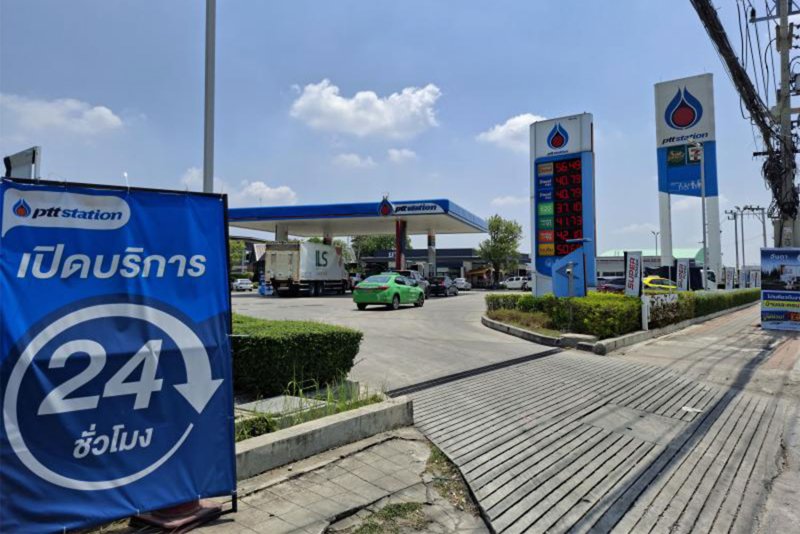
The Oil Fuel Fund has sought a guarantee from the Ministry of Finance for 150 billion baht in loans to stabilise domestic fuel prices, amid rising energy pressures.
“This would increase the debt level, but it remains within the fiscal framework,” he said on Tuesday, noting that the move was necessary to cushion volatility in global oil markets.
As of February, public debt stood at 66.1% of GDP, below the 70% ceiling, leaving fiscal room of about 4% of GDP. The country’s GDP is estimated at 18 trillion baht, providing limited but sufficient headroom for additional borrowing if required, said Mr Lavaron.
He explained that expanding the Oil Fuel Fund’s borrowing capacity from 40 billion baht to 150 billion baht would require a royal decree to amend existing limits. The proposal will be submitted to the new cabinet and incorporated into the government’s public debt management plan.
He pointed to a precedent during the Russia-Ukraine war in 2022, when the ministry guaranteed similar borrowing. The fund then helped cap retail fuel prices but accumulated losses of about 120 billion baht.
The Oil Fuel Fund has run up losses of 42 billion baht subsidising the prices of diesel and other fuels, despite continuing increases in pump prices, since the Middle East war began.
To mitigate the impact of the current energy crisis on vulnerable groups, the Ministry of Finance has also proposed a 100 baht monthly top-up for 13.4 million state welfare cardholders, with a budget of around 1.3 billion baht. The measure is expected to be among the first items tabled at the new cabinet meeting expected next week.
Mr Lavaron added that welfare registration would be modernised through smartphone access while retaining ID-based options.
A second phase of the “Khon La Khrueng Plus” co-payment scheme is expected to open for registration before May, with spending likely to begin within the same month, he added.
