Public transport operators in major cities are under mounting pressure as surging fuel prices erode incomes and threaten services.
In Phuket, taxi drivers have announced a one-day strike on Monday, reflecting widespread frustration. Watee Vasanarungruang, leader of the Yellow-Red Taxi Group, said more than 4,000 drivers, including taxis, vans and green-plate vehicles, could join the stoppage.
"Fuel prices are rising every day and we earn only 100–200 baht daily. We cannot continue like this," he said.
He added app-based services were undercutting fares, while tourist numbers had dropped by about 70%, worsening earnings. "Applications are dumping prices. Income no longer matches expenses," he said.
Drivers also plan a large gathering to submit a petition to the Phuket governor, calling for stricter enforcement against illegal vehicles and fairer regulation. "If we cannot survive, how can we continue serving others?" Mr Watee added.
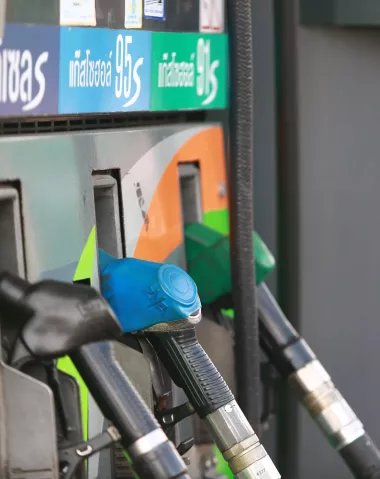
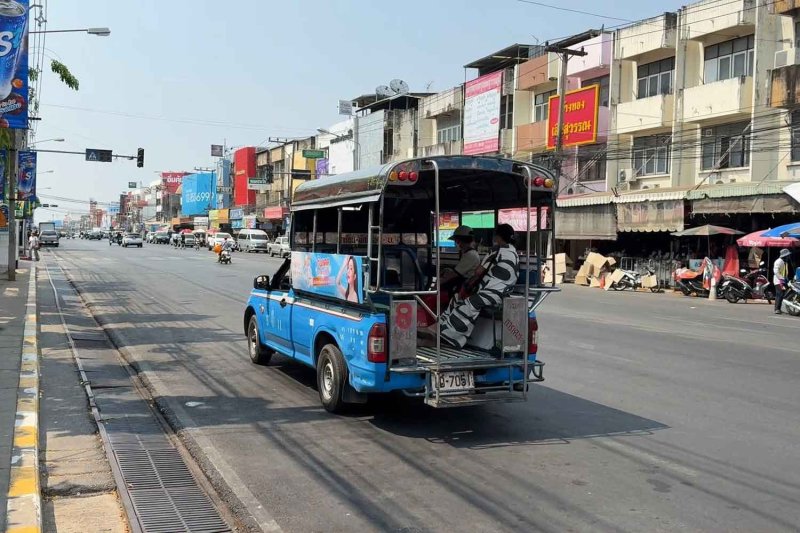
In Khon Kaen, rising diesel costs, now close to 50 baht per litre, have reduced public transport availability. Songthaew services in the city have cut the number of trips, leaving passengers with fewer options.
Daeng, a 65-year-old driver, said fares had remained at 11 baht despite escalating costs linked to the Middle East war. "We are carrying the burden alone," he said, proposing a fare increase to 13 baht.
In Nakhon Ratchasima, interprovincial bus operators reported ongoing losses.
Chaiwat Wongbenjarat, managing director of Nakhonchai 21 and deputy managing director of Nakhonchai Tour, said rising diesel prices were hitting operators hard.
The central land transport committee approved a fare increase of 5 satang per km. Licensed operators may raise fares from Monday with the government compensating the difference.
"Despite the rise, every trip remains loss-making," Mr Chaiwat said. "Fuel has risen by 17 baht per litre in recent increases, far exceeding the fare rise."
He said operators lack sufficient cash flow to sustain daily fuel costs. "If diesel continues climbing, services will be affected because operators cannot keep running at a loss," he said.
During Songkran, trips will be fewer than usual as operators await state support, he noted.
"Support must come quickly, or operators will not survive," Mr Chaiwat added. "If delays continue, services may be cut to minimum levels, causing significant disruption to passengers."