
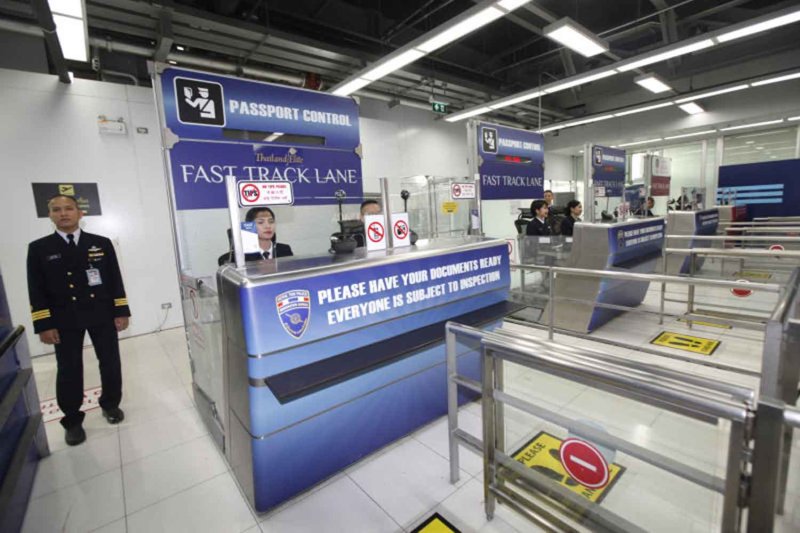
The 60-day visa-free entry policy, which was intended to boost tourism recovery, is now under review as authorities weigh its economic benefits against security concerns.
Introduced as a key measure to revive the tourism sector, the period of the visa-free stay scheme was expanded to cover 93 countries, up from about 50, with the permitted length of stay increased from 30 days to 60 days, with an option for a further 30-day extension.
However, there is growing concern some foreign nationals have used visa-free entry for purposes beyond tourism. There are cases about foreigners setting up businesses, or engaging in illegal activities, such as unauthorised employment, cross-border scams and organised crime networks.
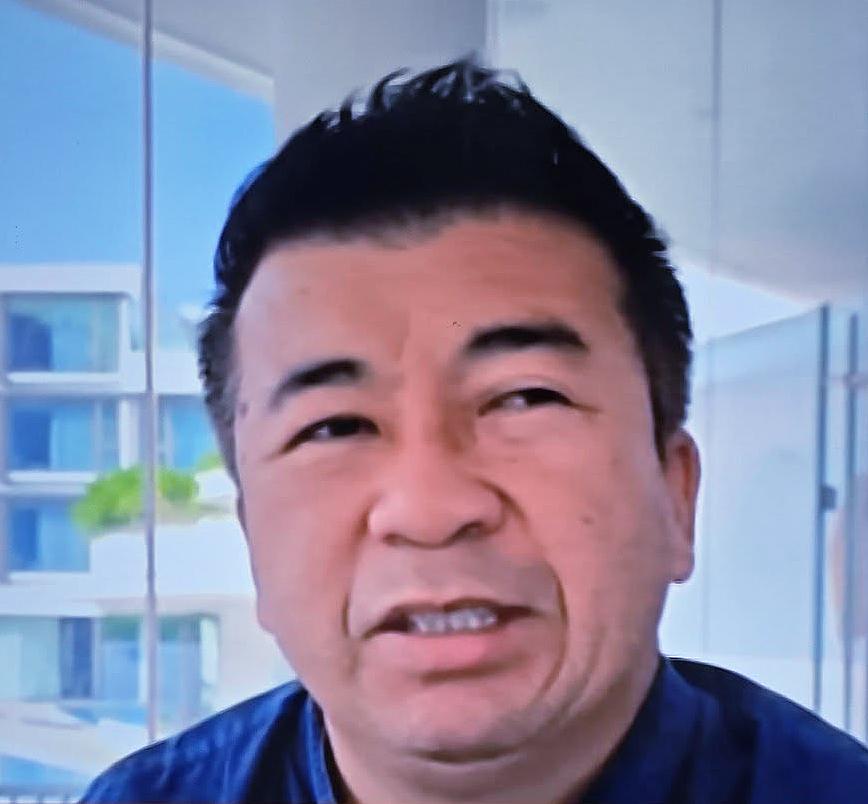
Chamnong: Expects 'limited impact'
The Foreign Affairs Ministry has floated a proposal to halve the visa exemption period to 30 days as one way to curb misuse while improving the overall quality of visitors. However, tourism operators doubt that the move will address the issue. Chamnong Bootsong, president of Hua Hin-Cha-am Tourism Association, said reducing the stay period would have a limited impact on short-term visitors who typically remain in Thailand for less than a month.
Instead, the measure would affect long-stay tourists, particularly Europeans who travel to Thailand during the winter season and often stay for extended periods, he said.
"Many are retirees renting residential units rather than hotels, staying for one to two months with steady, if modest, daily spending," Mr Chanmong said, adding that renewing visas is often seen by foreign visitors as inconvenient.
For destinations such as Hua Hin and Cha-am, long-stay visitors account for around 30% of total arrivals, and local tourism revenue from this segment could fall by as much as half if the visa-free period is shortened, he said.
He also said reducing the permitted stay may not address key issues such as overstaying or illegal employment. "A more effective solution would be targeted inspections. Authorities are aware of areas where overstayers tend to concentrate. If they conduct spot checks in those areas, they can identify those who have overstayed," he said.
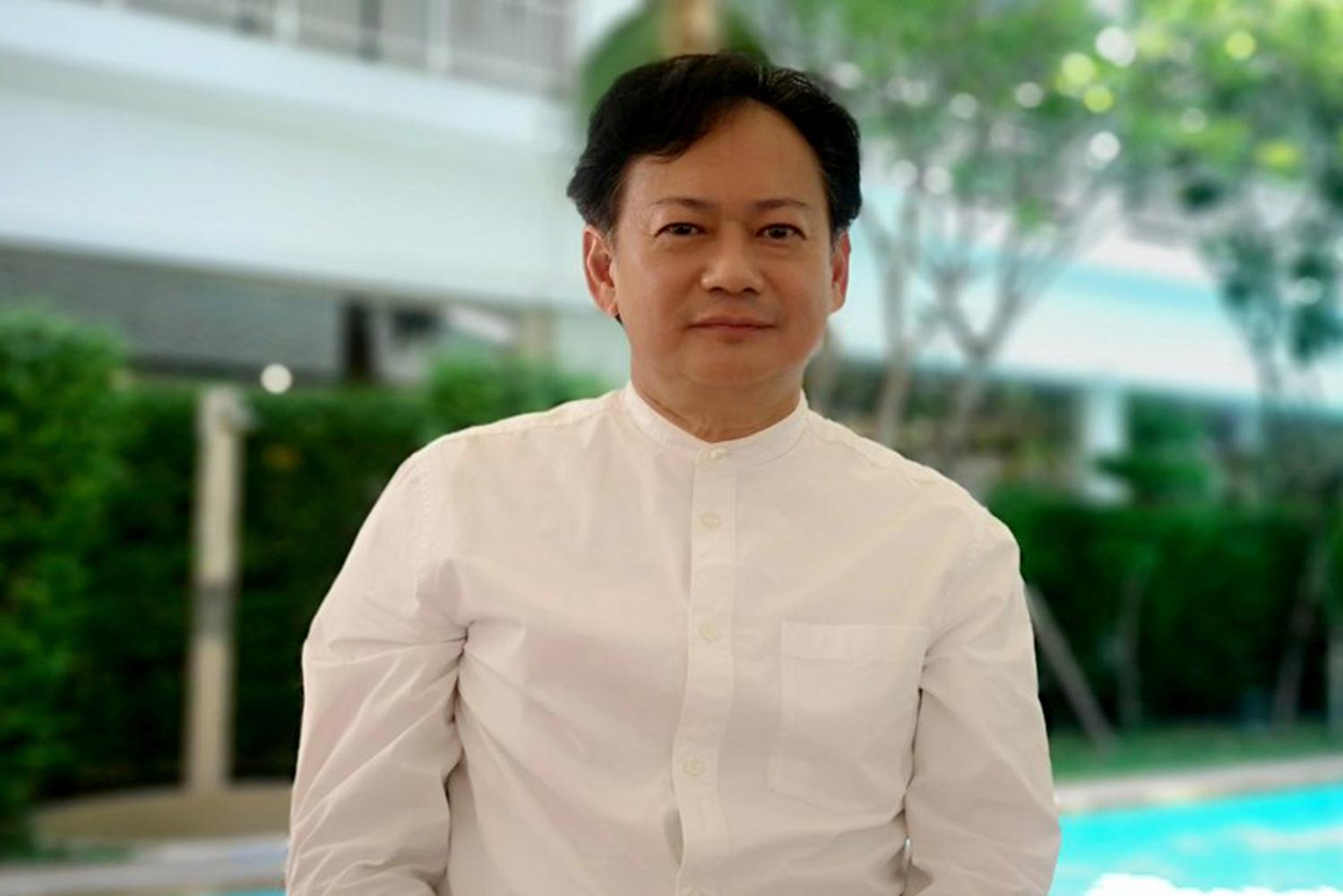
Sanga: Backs tightened policy
Tailored policy over blanket rule
Sanga Ruangwattanakul, president of the Khao San Road Business Association, backs tightening the visa-free stay policy, saying the current scheme makes entry too easy, without adequate screening.
He said a 30-day limit would help filter visitors with genuine tourism intentions, adding that those who remain longer than a month are often not travelling purely for leisure.
Mr Sanga said some groups entering under the scheme contribute little to the economy while creating social and labour-related concerns. Clearer limits should be introduced, requiring visitors who wish to return for extended stays to apply for appropriate visas instead of repeatedly relying on visa-free entry. "It wouldn't affect genuine tourists, but rather those coming to seek work," he said.
He also suggested travellers intending to stay longer should face stricter requirements, including proof of accommodation, employment status and sufficient financial means.
Mr Sanga urged authorities to adopt a more selective approach, arguing visa-free privileges should not be applied uniformly to all countries but tailored to target specific groups.
A clearer distinction between tourists and those seeking employment would help authorities better regulate entry, reduce illegal migration and prevent foreign nationals from competing unfairly with Thai workers, he said.
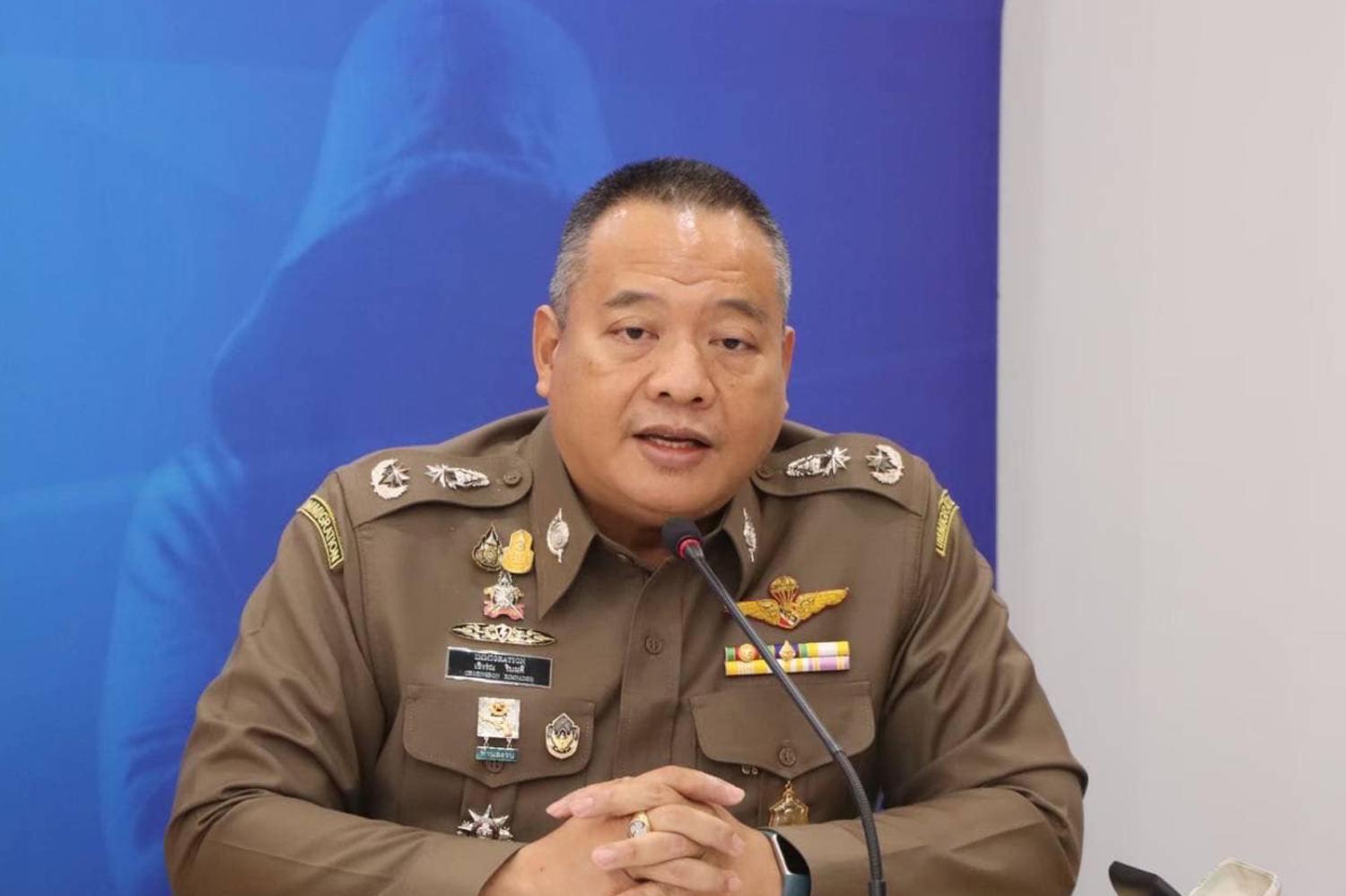
Choengron: Leading clamp down
Narudee Pongnarisorn, vice president of Administration of Patong Hotel Association, said long-stay tourists remain a crucial segment for destinations such as Phuket.
She said reducing the visa-free period to 30 days could help clarify travel purposes, as genuine tourists typically do not need to stay longer than a month. However, she said visa-free entry itself is not a new policy and has been in place for years, with recent changes mainly involving the expansion to more countries.
The issue is not the visa-free scheme itself, she said, adding the problem of illegal activities should be addressed through stricter screening measures rather than blanket restrictions.
She said authorities should focus on better classification of visitors rather than applying a blanket limit on the length of stay. If there are high-risk or blacklisted groups, screening should begin at the immigration stage. "Business operators don't prioritise volume. We want quality and agree with the government's tightened policy.
"But there are still details that need to be worked out, rather than simply shortening the stay to 30 days," she said.
Balancing security and value
Pol Maj Gen Choengron Rimpadee, deputy commissioner of the Immigration Bureau, said the scheme was intended to encourage foreign arrivals and make money for tourism.

Narudee: 'Focused screening needed'
However, the policy has also been misused by some foreign nationals who instead of travelling, work or run businesses without proper permits. Worse, some groups have been linked to illicit activities including money laundering and call-centre scams.
In an interview with the Bangkok Post, he said these groups use "visa runs", where they repeatedly exit and re-enter the country to prolong their stay without applying for the appropriate visa.
Thai immigration authorities normally interview travellers with a record of at least two consecutive entries each lasting no less than 45 days. Those unable to verify their travel plans are denied entry. Since the beginning of 2025, more than 20,000 individuals suspected of engaging in visa runs have been refused entry, he added.
Pol Maj Gen Choengron backed reducing the visa-free stay to 30 days, saying it would help reduce incentives for misuse. Tourists who plan to stay in Thailand for a longer period can apply for a tourist visa in advance, which allows a stay of up to 60 days, with a further 30-day extension, he said.
"Alternatively, those entering under the visa-free scheme for 30 days can also apply for a 30-day extension at local immigration offices in tourist areas, as has been the practice. In my view, this change will not have any impact at all," he said.
He dismissed concerns that tighter visa rules would weaken Thailand's competitiveness compared with neighbouring countries, saying each country has its own unique identity.
Thailand's appeal is its cultural, social and natural attractions, which cannot be directly compared with those of other destinations, according to Pol Maj Gen Choengron.
"The question is whether the tourists coming in generate meaningful income for the country, or whether we are seeing large numbers but low spending, while also creating problems. If so, it is not worthwhile," he said.
Pol Maj Gen Choengron said the government's decision to review the policy is mainly due to security concerns. Many foreign nationals arrested in criminal cases entered under visa-free arrangements, and these include recent arrests of 68 foreign nationals involved in scam networks. While Thailand remains reliant on tourism, the country's long-term appeal should also be safeguarded, and its status as a premium destination.