
BIOTEC, NSTDA

Turning biotechnology into hope for farmers
Challika Kaewborisuth
Despite the scale of her scientific work on vaccination, Challika Kaewborisuth’s passion began in farming, livestock, and food security — the backbone of Thailand’s economy.
The Bangkok Post Women of the Year 2026 recognises Ms Challika's contributions and also as one of the 'Architects of New Power'. Her scientific work does more than solve problems; it also regenerates power back to those who need it most, from the ground up.
Today, as a biotechnology researcher at the National Center for Genetic Engineering and Biotechnology (Biotec), under the National Science and Technology Development Agency (NSTDA), she stands at the forefront of Thailand’s fight against African swine fever, a disease that has devastated the nation’s pig farming industry.
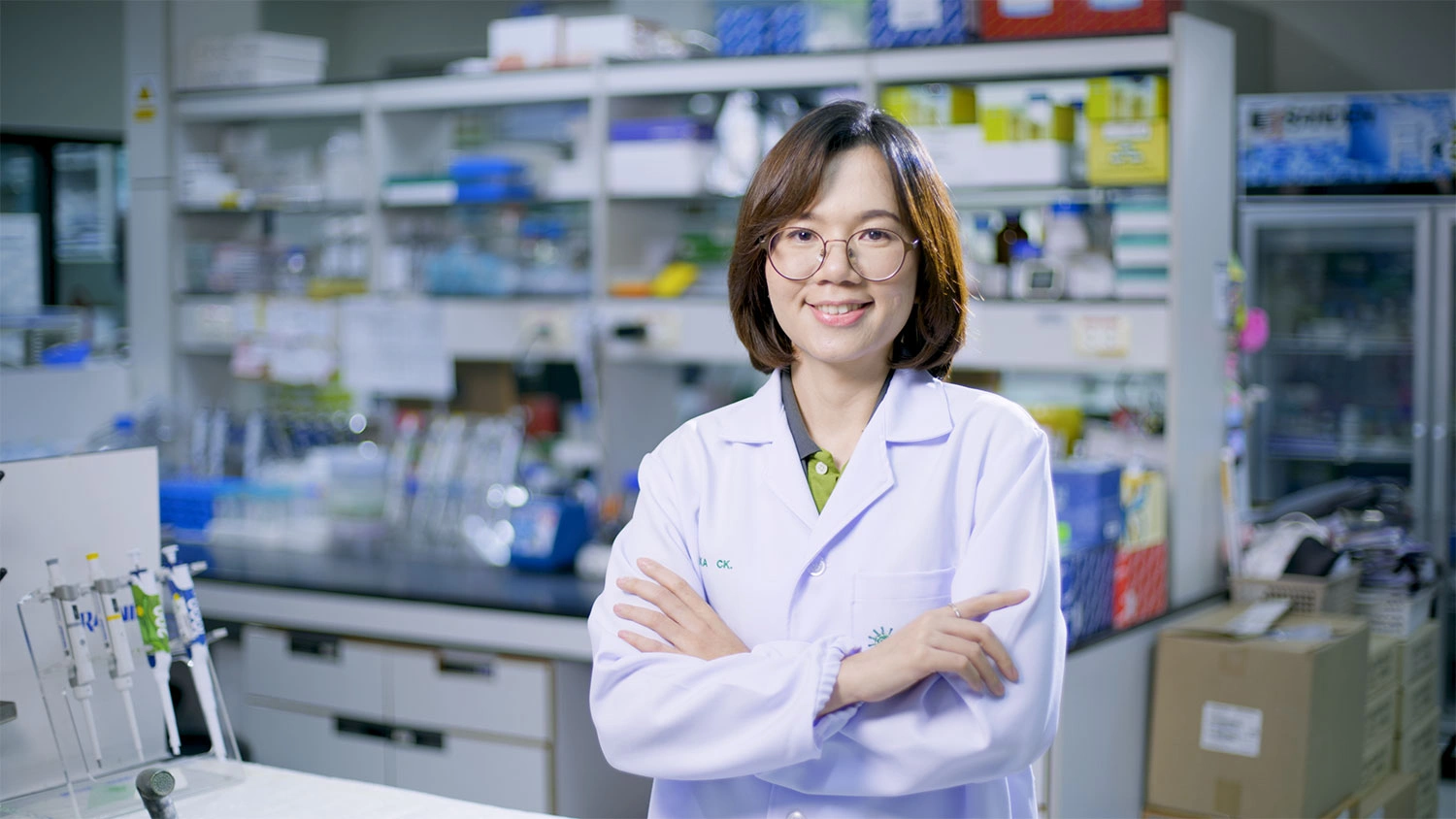
In a country where science and farming do not always seem to intersect, Ms Challika's work is an example of how biotechnology can serve society and bring tangible changes to ordinary lives. She has shown how local challenges can be solved through world-class disciplines, securing both livelihoods and the future of food.
Her interest in science began when she saw how farming families depend on healthy animals for income and stability. This inspired her to study veterinary medicine and later earn a PhD in Genetic Engineering at Kasetsart University, one of Thailand’s leading agricultural universities.
She received support from the Royal Golden Jubilee PhD Program and was recognised for her outstanding research during her doctoral studies.
In 2022, Thailand’s pig farming industry faced a major crisis when African swine fever spread across the country. Nearly half of the breeding pigs were lost, and about 40% of small- and medium-sized pig farmers had to close their businesses. The total economic loss was over 150 billion baht. For many families, pig farming was a lifelong tradition, so the outbreak was devastating.
For Ms Challika, this crisis was the start of an important mission.
She and her team at Biotec began developing a prototype vaccine using a Thai strain of the African swine fever virus. At first, Thailand had very little knowledge about this specific strain. Her team collected virus samples from farms, studied the virus's genetic code, and worked to weaken it so it could safely stimulate immunity without causing disease.
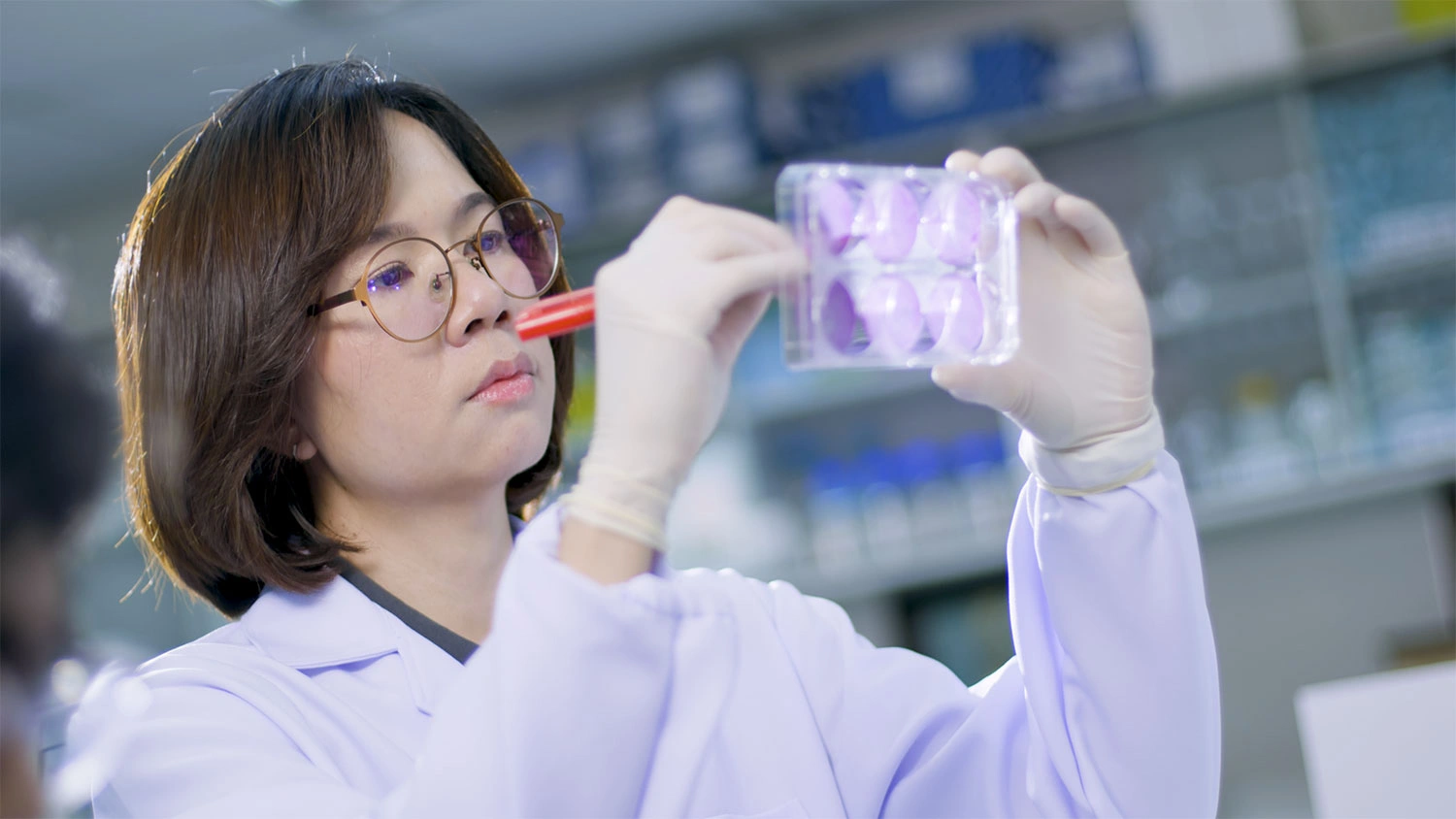
The research was challenging and took three years of hard work, repeated testing, and adjustments. Eventually, their prototype live-attenuated vaccine showed promising results. In laboratory tests, it was 70–100% effective at preventing infection and demonstrated strong safety. They are now working with Thailand’s Department of Livestock Development to move toward controlled farm trials.
If successful, this locally developed vaccine would do more than protect pigs. It would help farmers rebuild their businesses, reduce Thailand’s reliance on imported animal health solutions, and strengthen national food security by ensuring a stable pork supply.
In recognition of her work, Ms Challika received the L'Oréal Thailand For Women in Science Award. The award honours female scientists whose research benefits society. For her, this recognition highlights the important role women play in science and national development.