


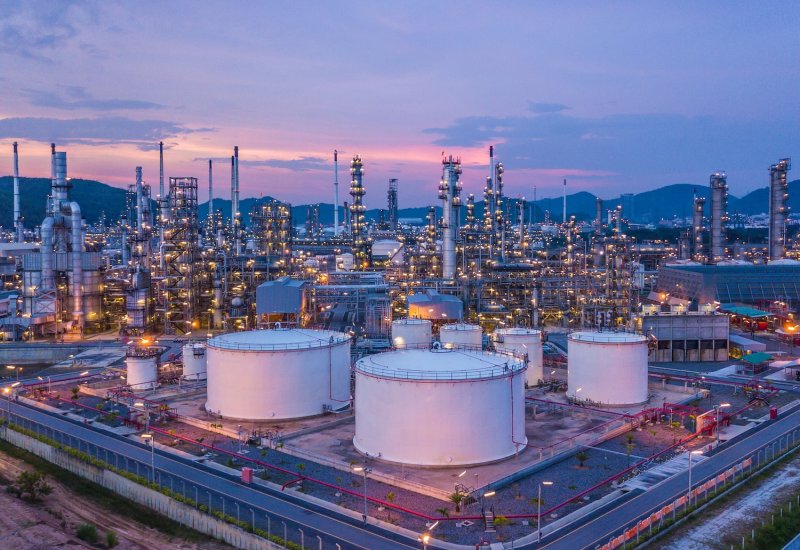
The Thai government is preparing to cut domestic fuel prices by targeting what it describes as “unnecessary” cost components in the national pricing structure.
The Ministry of Energy will recalculate oil refining and marketing costs by Monday, which should lead to lower energy prices quickly, Finance Minister Ekniti Nitithanprapas said on Thursday.
He made the statement hours after diesel prices rose by another 3.50 baht a litre to 44.24 baht at service stations across Thailand. Petrol prices were increased by 1.20 baht for most grades.
Refining-related calculations may be too high under present conditions, and therefore pump prices for consumers should be lower, said Mr Ekniti, who heads a new committee set up to review fuel cost structures and pricing.
The committee has concluded that both refinery margins and marketing margins should be revised downward. He said current pricing no longer reflects prevailing market conditions and includes distortions carried over from earlier periods of volatility.
The committee had been given 15 days by Prime Minister Anutin Charnvirakul to complete its review, but it is accelerating its work in order to present initial findings to the cabinet by Monday.
Refinery representatives have been involved in the talks with senior policymakers. The review also covers the criteria for calculating wholesale and retail fuel prices under the fuel trade law.
Looking at marketing margins, officials acknowledged fluctuations driven by the spread between wholesale and retail prices. While these margins can vary daily, the average since the start of the year is 1.95 baht per litre, below the previously studied benchmark of 2.45 baht, which includes operating costs such as rent, utilities and staffing at service stations.
Refining margins have been more controversial but are often misunderstood, leading to critics of the industry claiming that refiners’ profits have tripled since the Middle East war began.
Prasert Sinsukprasert, the permanent secretary for the Ministry of Energy, emphasised that refinery margins, currently reported at 13-14 baht per litre, should not be interpreted as pure profit.
Rather, they represent the differential between crude and refined product prices, incorporating elevated input costs and premiums during periods of supply disruption. Historical data suggest an average margin closer to 2.45 baht per litre under normal conditions.
The Petroleum and Energy Institute of Thailand last week denied that refineries are making windfall profits, saying the headline numbers quoted by politicians do not represent profit margins, as many other factors are involved.
In any case, Mr Ekniti said, the government wants to verify the real “war premium” and other extra costs, such as freight and insurance, to determine the true cost burden on refiners.
Diesel prices in Thailand have risen nearly 50% since Feb 28, the day Israel and the United States started bombing Iran, leading to a global energy crisis.
The Oil Fuel Fund has run up a deficit of 47 billion baht subsidising fuel prices. It is reportedly seeking to have the Ministry of Finance guarantee loans of up to 150 billion baht to stabilise its finances.
