 Listen


 Facebook
 Reddit
 Copy Link


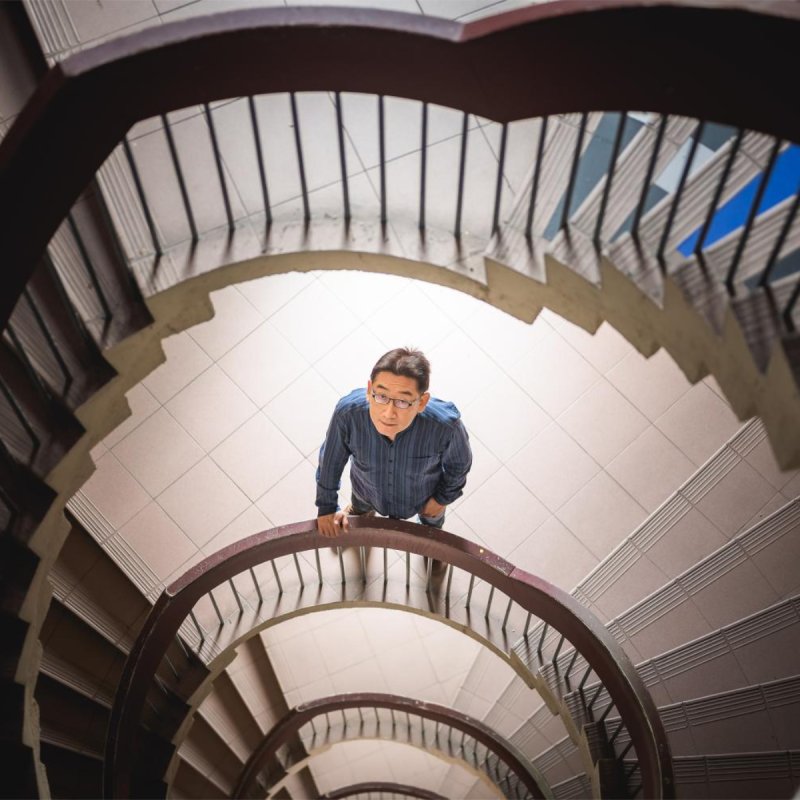
Poet Yong Shu Hoong enjoys hiding clues between his lines. When he takes the helm of the Singapore Writers Festival (SWF), consciously or not, the habit may seep into its key visuals. In 2024, a camouflage print hid human and nonhuman characters. In 2025, the wheel contained different shapes of things to come. In 2026, butterfly wings carry eyespots to intimidate or distract a predator.
Organised by Arts House Group (AHG), the 29th edition of SWF returns with the theme "Hidden In Plain Sight" to explore what lies beneath stories. It brings together more than 300 writers, speakers and moderators across over 200 programmes from Nov 13-22. Headliners include Amitav Ghosh, Silvia Moreno-Garcia, Tan Twan Eng and others.
"I wouldn't attribute it [this edition's theme] to a single incident. I was interested in how we arrive at what we believe to be true, especially as AI and scams make it harder to distinguish what is real from what isn't," said Yong Shu Hoong, who concludes his three-year tenure as festival director this year, in an email interview.
"'Hidden in Plain Sight' felt like a theme that could open up conversations about the assumptions we make and what we might discover when we look at something from another perspective."
With a background in computer science, Yong broke into the literary scene on his return from the US in 1994. He is the author of several poetry collections and recipient of the Singapore Literature Prize. As a poet, he is interested in how writing can reveal what has been overlooked in everyday life. This lends itself to different forms of writing, including crime and mystery, where a detail that initially seems unimportant may change everything.
"When overseeing the programming, I sometimes imagined myself crafting or editing each programme as if it were a poem, with all these poems collated into a book called Hidden In Plain Sight. I hope festivalgoers find their own meanings in it and perhaps leave with a different understanding of something they thought they already knew," he said.
In an age where reality is homogenised, flattened or manufactured to the extent that it is difficult to distinguish truth from lies, Yong noted that literature has always nourished thoughtful and critical engagement with the world.
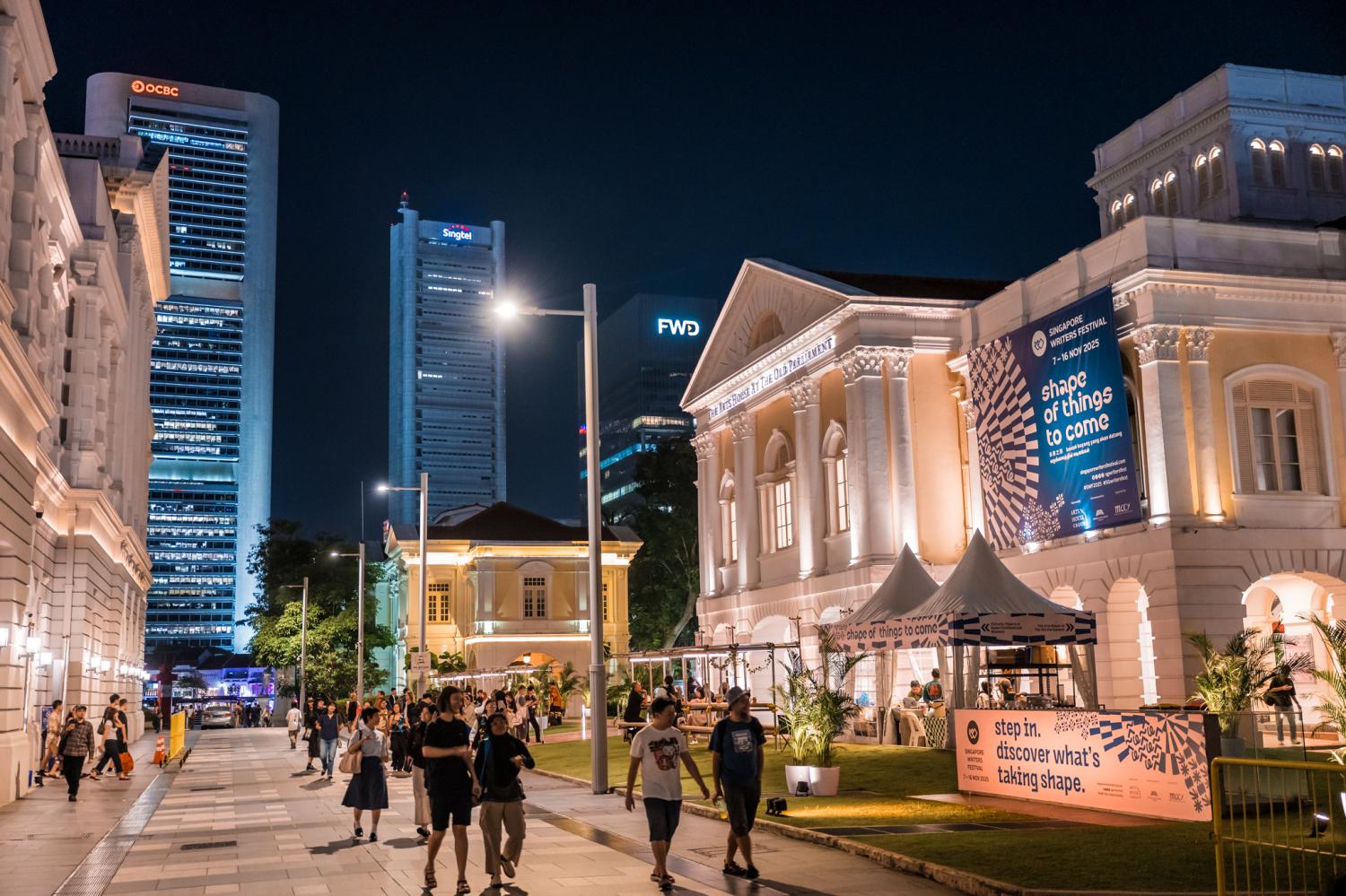
Outside The Arts House, a venue for the Singapore Writers Festival 2025.
"When we read a novel, for example, we pay attention to details, consider a character's motivations, and follow the plot as it unfolds before drawing any conclusions. These practices also help in everyday life, especially when we encounter information online, where there may be more to a story than what is immediately apparent," he said.
Yong is preoccupied with technology's possibilities and questions surrounding its use. He recommended a couple of fiction and nonfiction writers in this year's festival -- for example, Raju Chellam, a Singapore author of Organ Gold (2018) and The Singapore Strain (2024) -- who examine how technology shapes humans and the choices they make when using it.
"This is one way literature can open up different perspectives, encouraging readers to consider these viewpoints and form their own understanding and conclusions," he said.
Festivalgoers can obtain some clues from heavyweights to solve a mystery. With his recent works Wild Fictions (2025) and Ghost-Eye (2026), Indian writer Amitav Ghosh examines how writers imagine environmental catastrophes, especially in the Global South. Some investigate the power of technology like American journalist Stephen Witt, who traces the emergence of Nvidia and AI. Meanwhile, American sociologist Ruha Benjamin exposes hidden biases in the digital world.
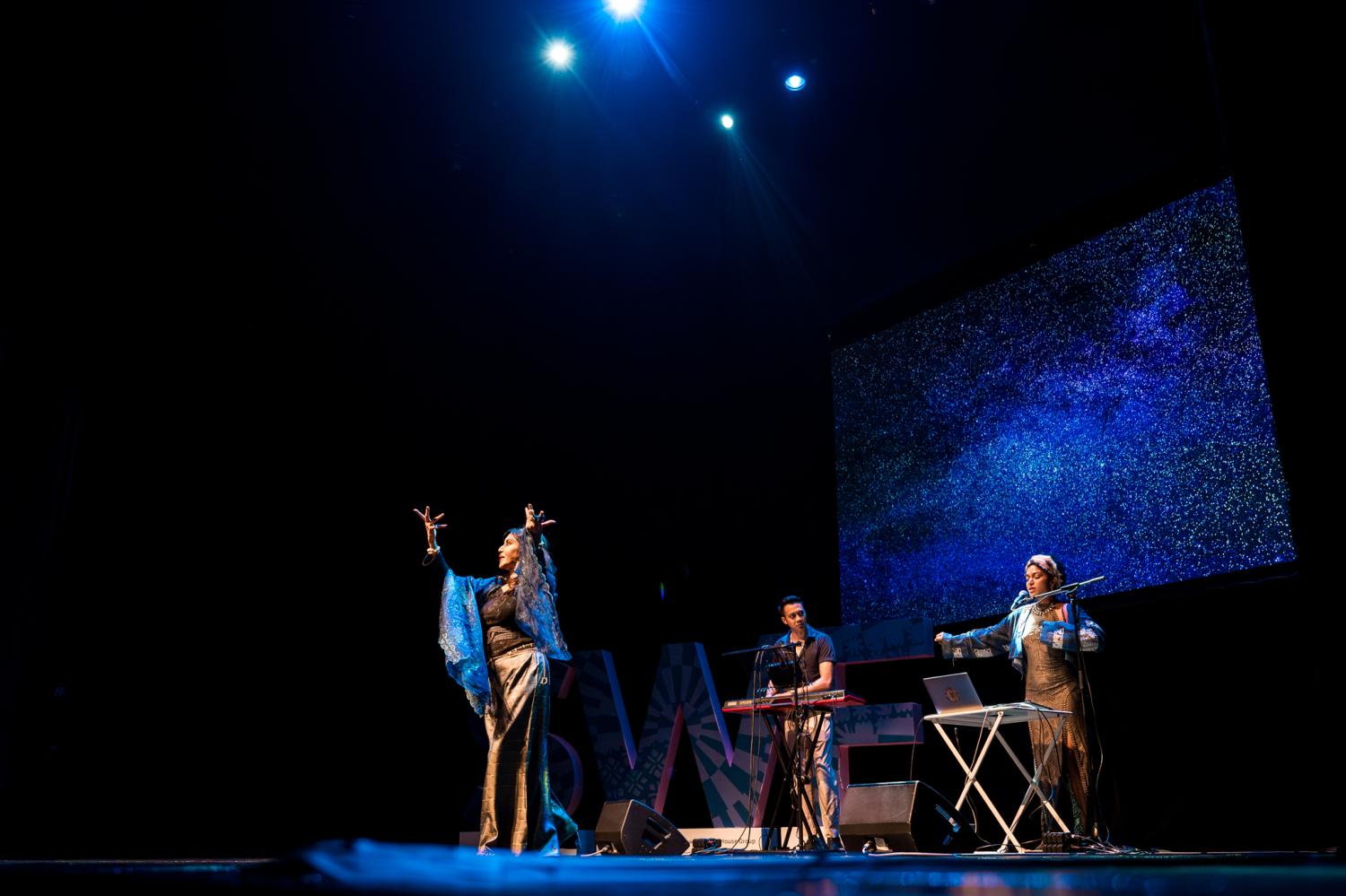
An opening performance by Mantravine and Shantha Ratii.
Ghosh also joins Singapore authors Jemimah Wei and Balli Kaur Jaswal to uncover secrets that families carry across borders and generations. Indonesian human rights activist Kamala Chandrakirana explores an intersection of cultural memory and gender equality and Canadian author Silvia addresses truth and deception in storytelling. Two Malaysian authors, Janet Tay and Tan Twan Eng, exchange views on their craft and life outside the public eye.
New to SWF 2026, a crime and mystery track equips festivalgoers with fact-finding skills. Robin Stevens and Louise Hegarty explore the enduring legacy of the Queen of Crime, Agatha Christie, five decades after her death. Silvia and two Singapore writers Jean Tay and Ovidia Yu unearth history for crime fiction materials. Silvia joins Hegarty and Eliane Boey to unpack the craft of short fiction when it comes to crime, mystery or horror.
South Korea's Seo Mi-ae joins Singapore's Rueben Dass and Jocelyn Suarez to live inside a serial killer's mind. Mi-ae and her compatriot June Hur share different ways of writing mystery. British author Faridah Àbíké-Íyímídé joins Singapore's Nidhi Upadhyay and Grace Chia to unmask stoic faces from crime fiction heroines. Faridah goes on to share locked-room mysteries and buried clues in her stories from Ace Of Spades (2021) to The Heirs (2026).
SWF 2026 brings creative ingenuity in Southeast Asia into focus. Thai architect Chatchavan Suwansawat explores what he calls "Thai Urban Mess Architecture" -- improvised, everyday adaptations that challenge conventional design. Filipino author Caris Avendaño Cruz joins Singapore's Ng Yi-Sheng and Joyce Chng to explore folklore and superstition in fiction. Other programmes include an exhibition, a writing workshop and a literary walk.
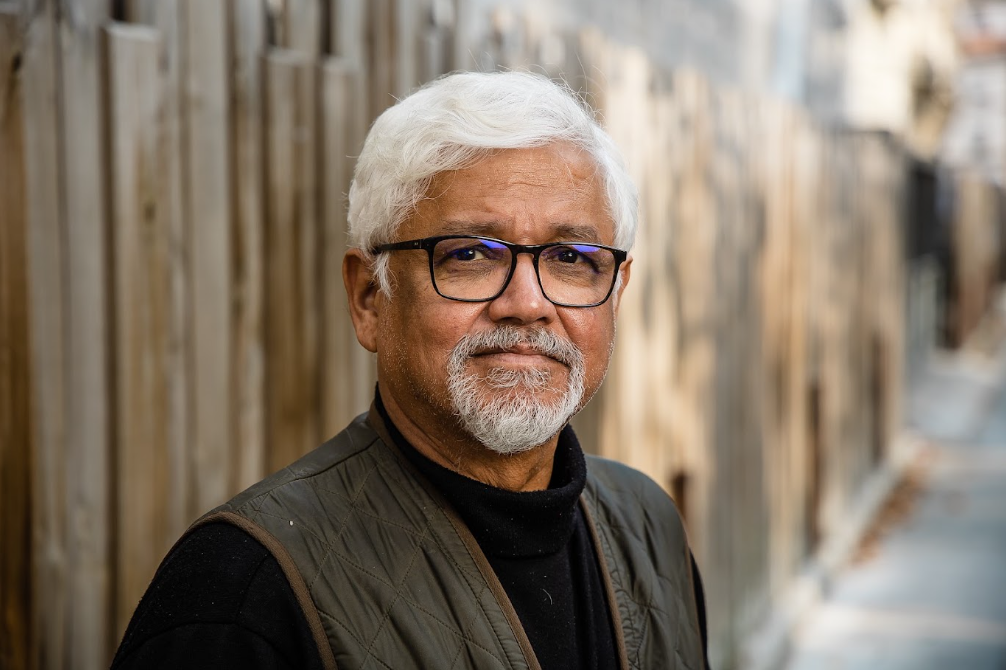
Indian writer Amitav Ghosh.
While bringing exceptional artists from near and far, SWF 2026 gives focus to Chinese, Malay and Tamil to reflect its own multilingual landscape. Singapore's Teoh Hee La joins China's Wang Zhanhei and Hong Kong's Hon Lai Chu to show how fiction can preserve and heal. Drawing on her fieldwork across China, Liang Hong sheds light on the hidden pain through the veneer of youth mental health.
Brunei's Najib Noorashid and Singapore's Raman Daud examine an intersection between classical Malay poetry and contemporary journalism. Singapore's Uma Kathir and Krishnasamy Subramaniam plough through the hidden gems of Little India while India's Yuvan Chandrasekar celebrates poetry's versatile ability to resonate across time, nation and language.
At the heart of its multilingual focus is the vital role of literary translators. SWF 2026 pays homage to invisible labour that carries literary works across four official languages in Singapore and to the world. It encompasses translation programmes, installations, and public activities that travel across the city over the festival period.
SWF 2026 brings literature to readers of all ages. Young bookworms can meet Stevens and Australia's Jessica Townsend, who discuss the nature of rebellious heroines in their mystery stories. Students can join Singapore's Suffian Hakim to master the art of humour in storytelling. Participatory programmes are available to provide opportunities for families and schools to spend time together.
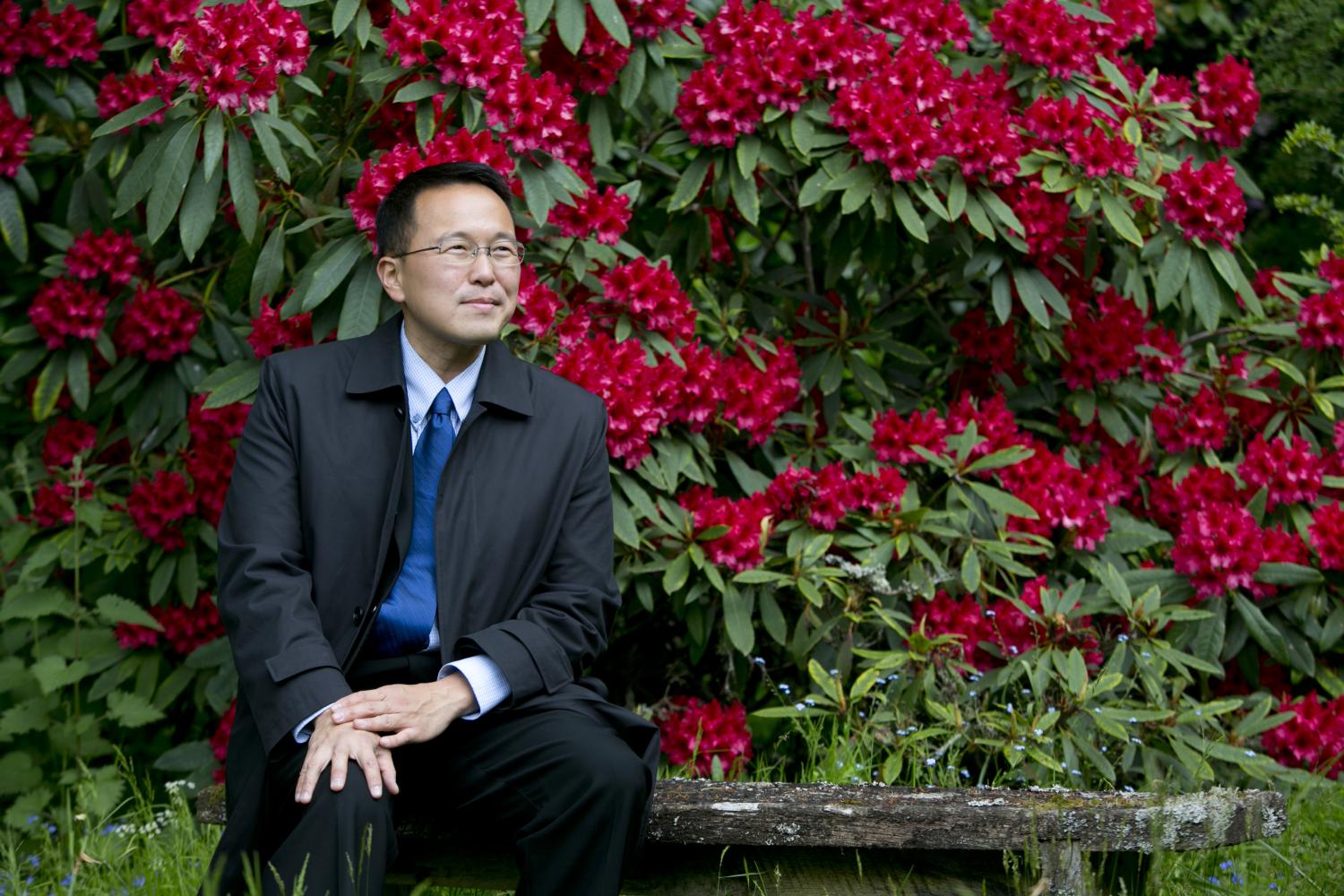
Malaysian novelist Tan Twan Eng.
Visitors can experience literature in ways other than reading. A guided tour of the House of Tan Yeok Nee with Singapore's Yeo Kang Shua promises a walk down memory lane. Visitors can experiment with chance-based writing prompts with British poet and artist Ella Frears or join Singapore poet Pooja Nansi to peek inside her bookshelf for female writers that have influenced her.
For those who are unable to collect enough evidence, look for breadcrumbs that may have slipped out of sight.
More information is available at singaporewritersfestival.com.
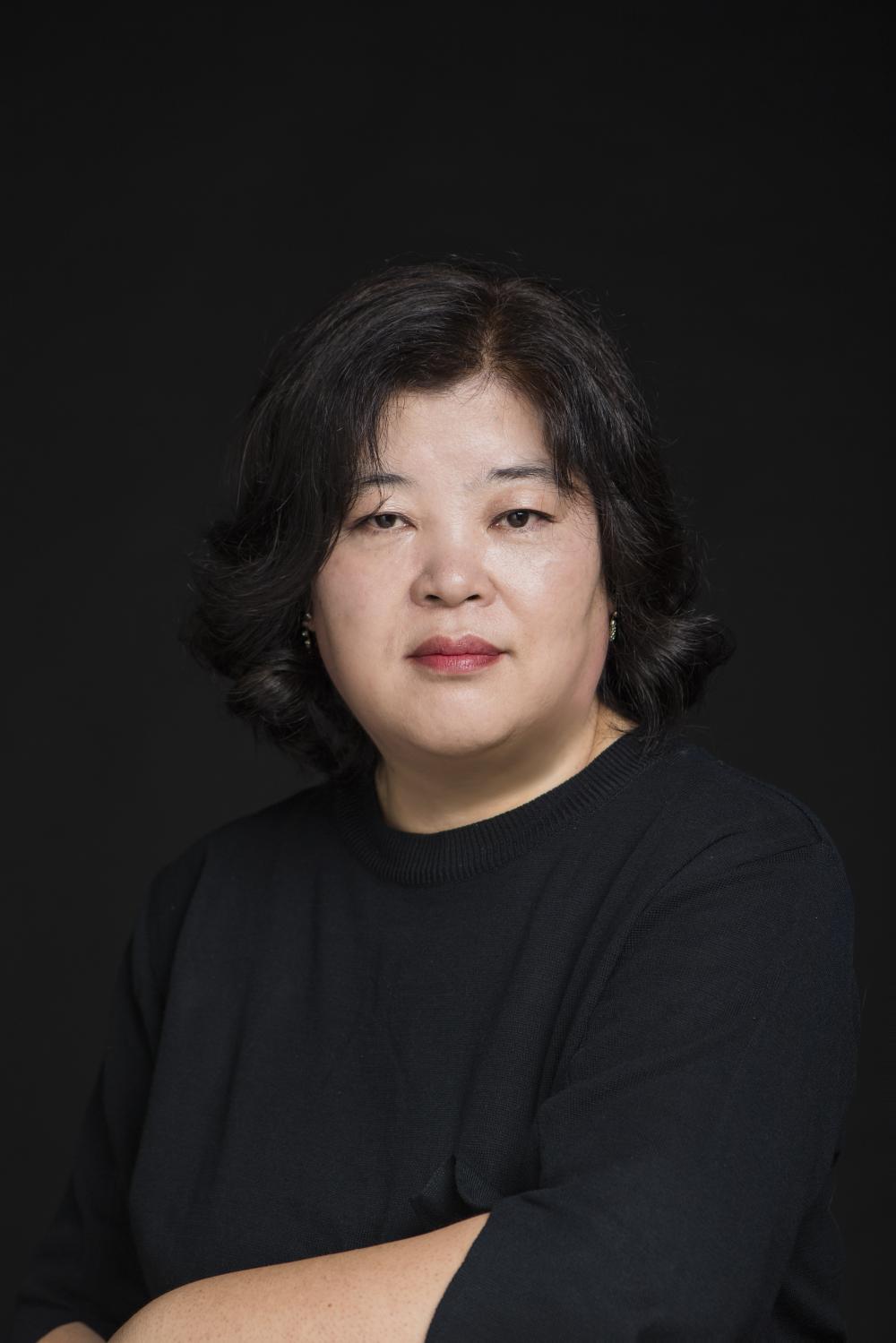
South Korea's Seo Mi-ae.
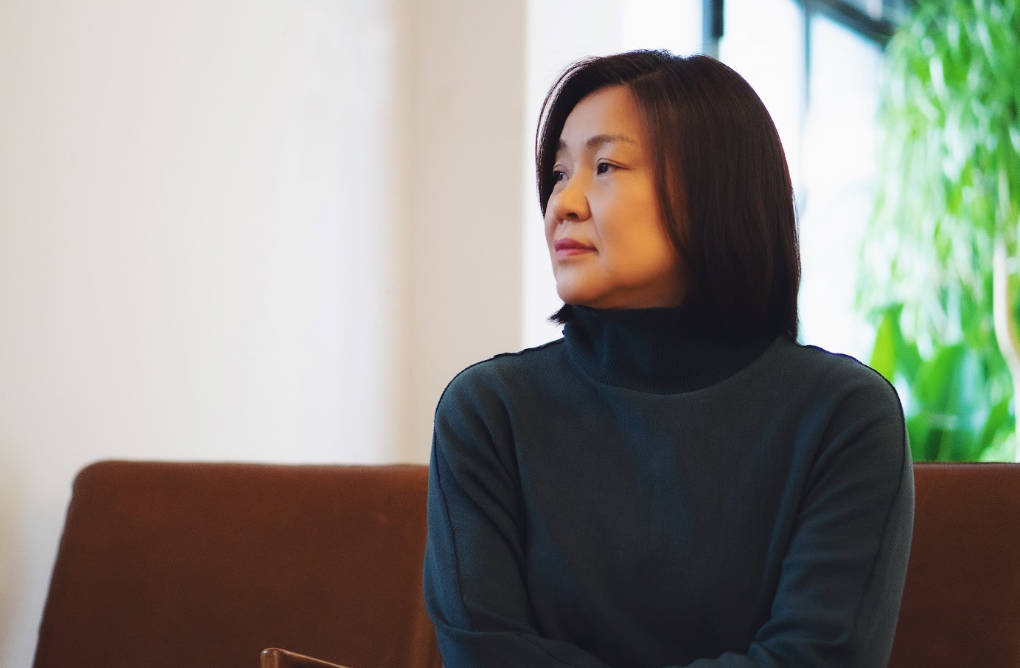
China's Liang Hong.
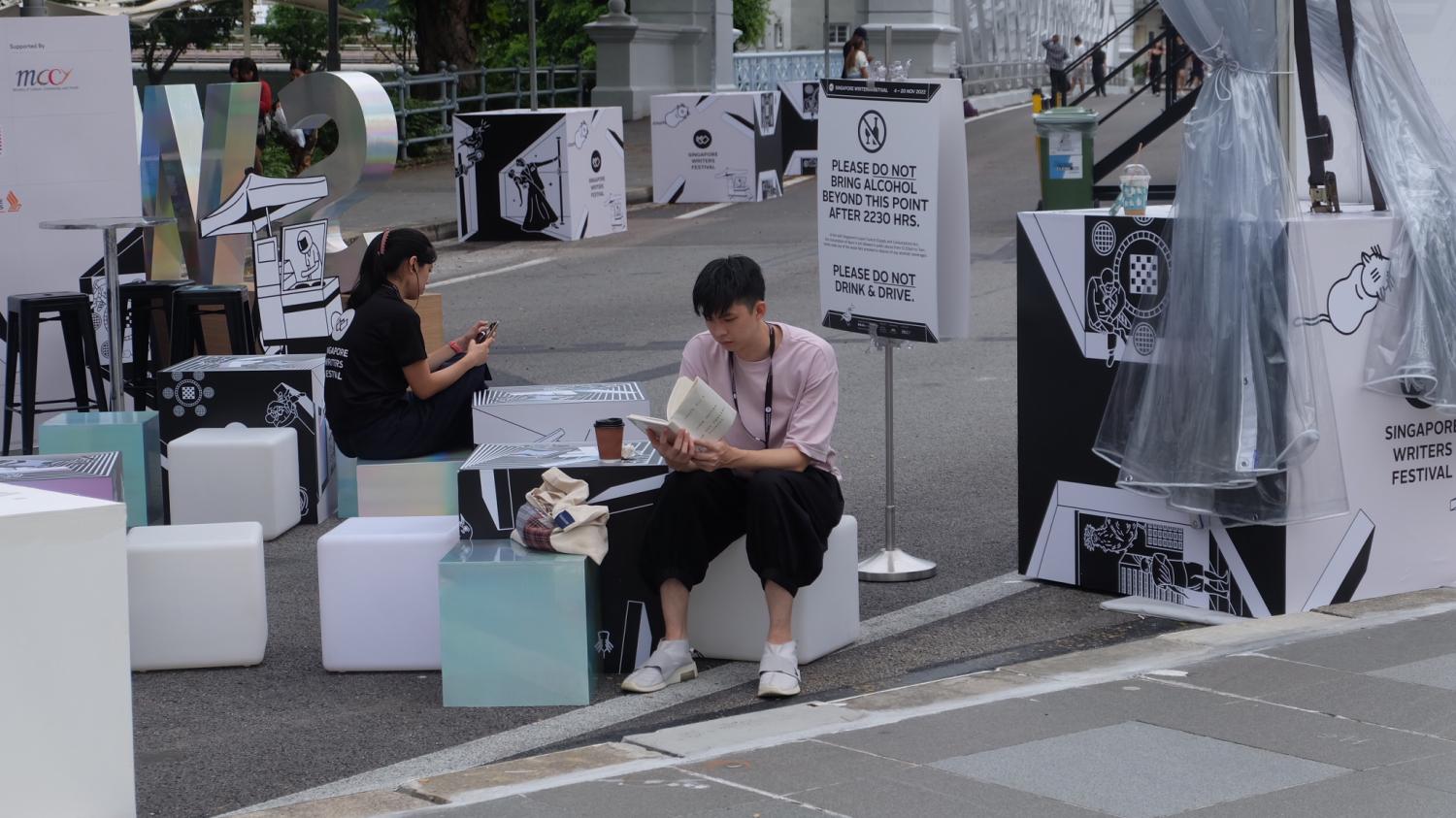
Singapore Writers Festival 2022.
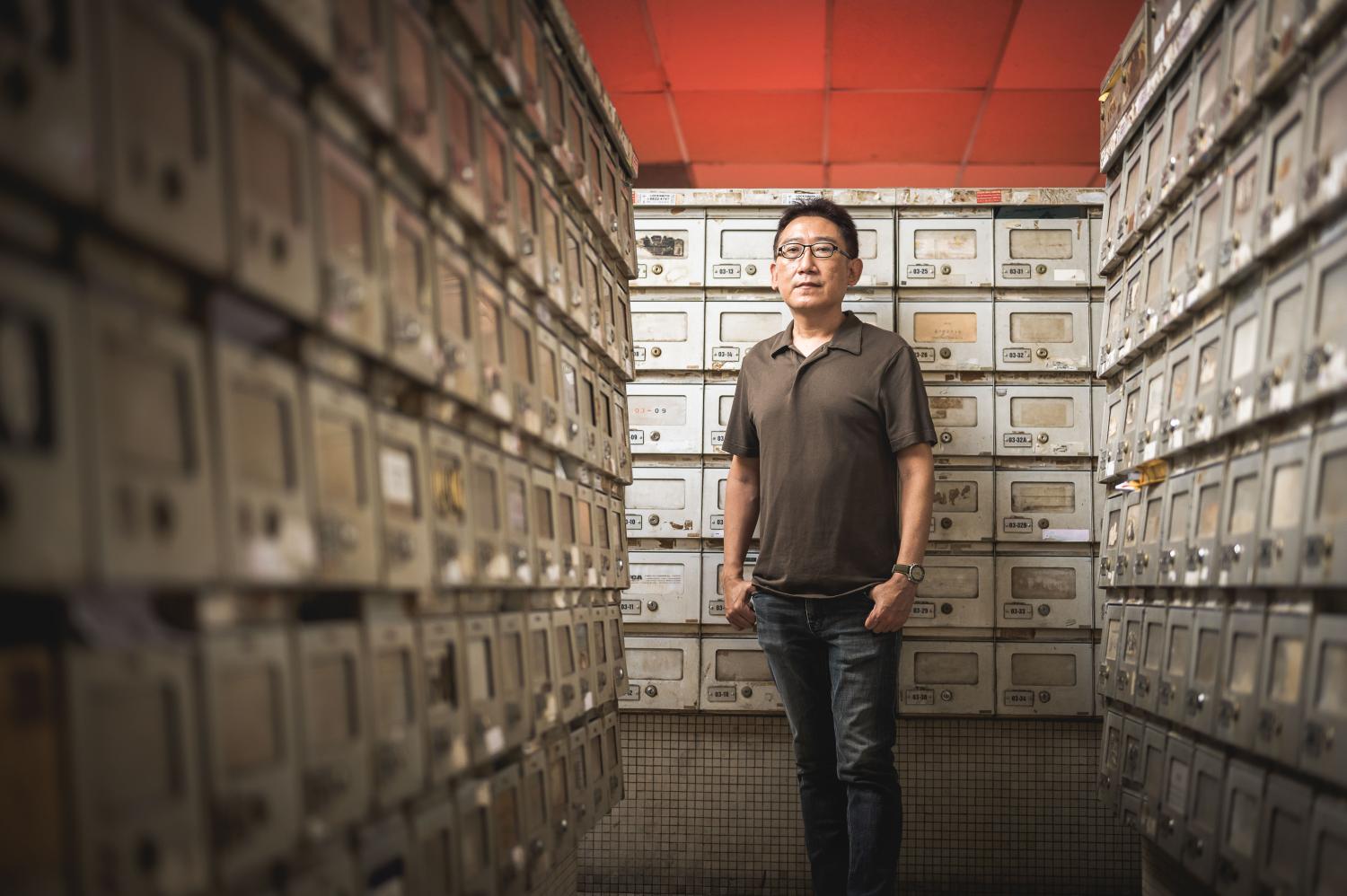
Festival director Yong Shu Hoong.
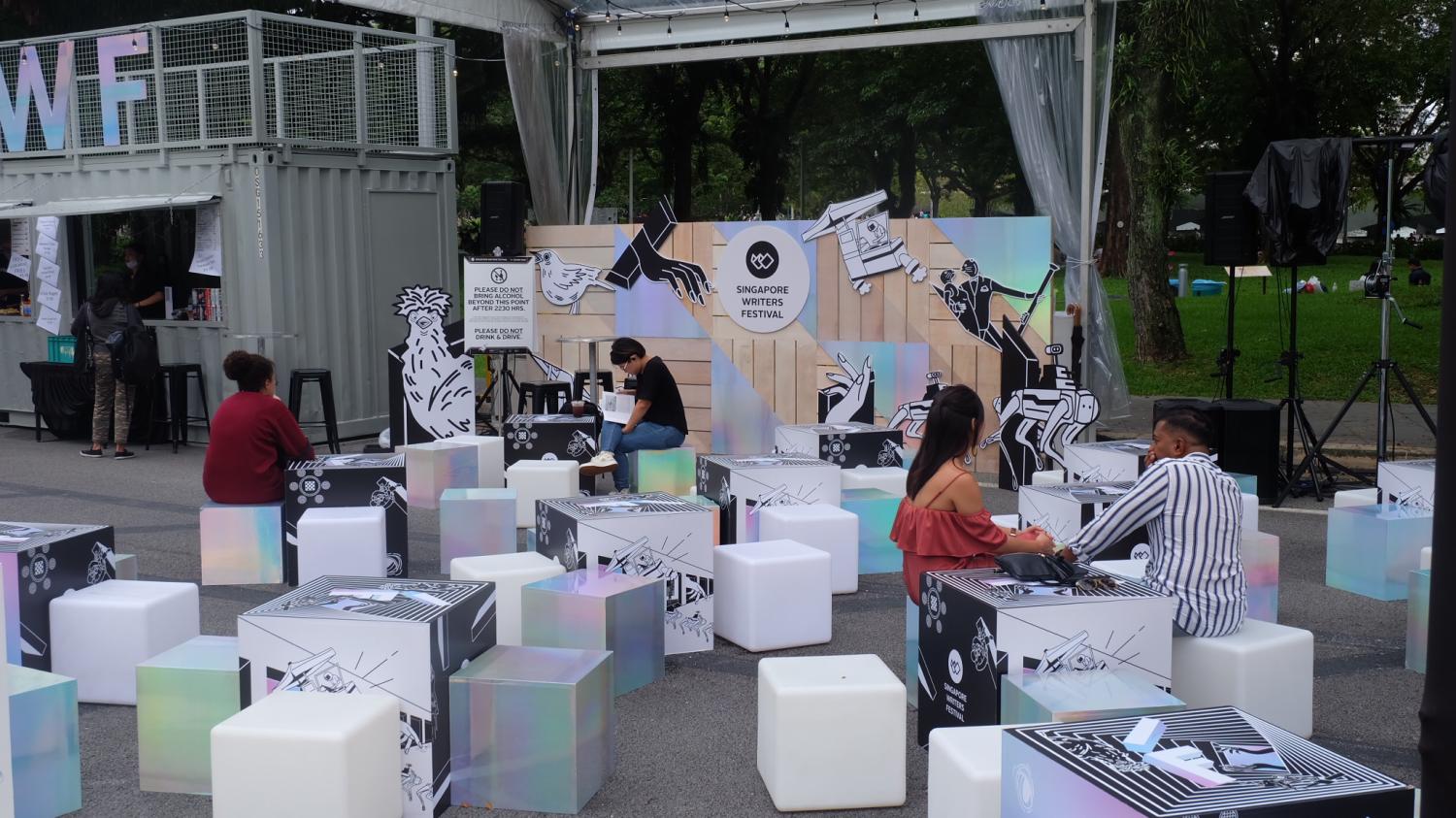
Singapore Writers Festival 2022.


