Listen


 Facebook
 Reddit
 Copy Link


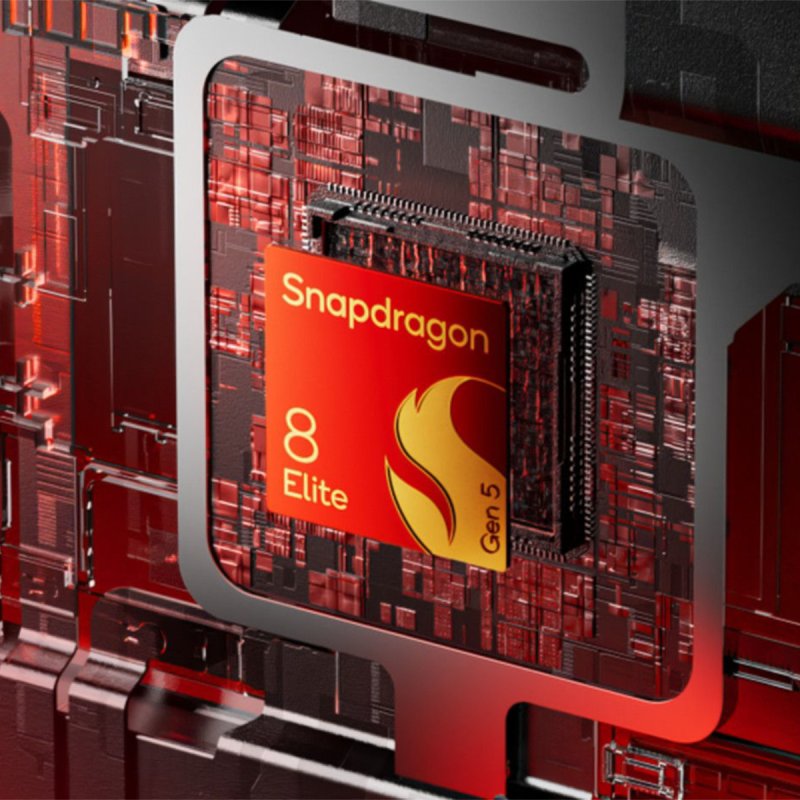
Qualcomm is in talks with Samsung Electronics to help manufacture its next-generation 2-nanometre Snapdragon chips, opening up the possibility of a dual-sourcing strategy alongside Taiwan Semiconductor Manufacturing Co (TSMC).
The shift could mark a return to form for the two technology giants. Samsung previously manufactured Qualcomm’s Snapdragon 8 Gen 1 processor on its 4nm process in 2021.
The chipset faced widespread criticism regarding thermal management and efficiency issues and Qualcomm subsequently switched orders for the Snapdragon 8+ Gen 1 and subsequent flagship chips to TSMC.
According to a report by South Korean news outlet ChosunBiz, Qualcomm and Samsung Foundry are currently negotiating the details of a partnership for 2nm chip production. The collaboration could involve the coming Snapdragon 8 Elite Gen 6 series, with Qualcomm looking to split production capacity between Samsung and TSMC rather than relying on a single foundry.
Yield rates remain a crucial factor in the negotiations. Current industry data suggests Samsung’s 2nm yield rate is around 50 to 60 percent, while TSMC yields are slightly higher at 60 to 70 percent. However, Qualcomm is reportedly targeting a minimum combined yield rate of 70 percent or higher. Dual-sourcing would allow the US chip designer to mitigate production risks at a time when global demand for smartphone processors and key components remains high.
Supply constraints at TSMC are also driving Qualcomm's decision. Although TSMC has ramped up its 2nm production capacity to approximately 60,000 wafers per month, the vast majority of its initial output has reportedly been secured by Apple for its A20 Pro chip, which is expected to power the coming iPhone 18 Pro and iPhone 18 Pro Max. Relying solely on TSMC could leave Qualcomm vulnerable to supply shortages and unable to meet its production targets.
The news comes ahead of Qualcomm's annual Snapdragon Summit 2026, scheduled for Sept 22-24, 2026. The company is widely expected to unveil its next-generation Snapdragon 8 Elite Gen 6 series at the event, with previous reports indicating clock speeds could reach up to 5GHz.
Whether Samsung will ultimately secure the contract to manufacture Snapdragon chips again remains to be seen, as final agreements will depend on contract pricing, production volume commitments, and stabilised yield figures.