
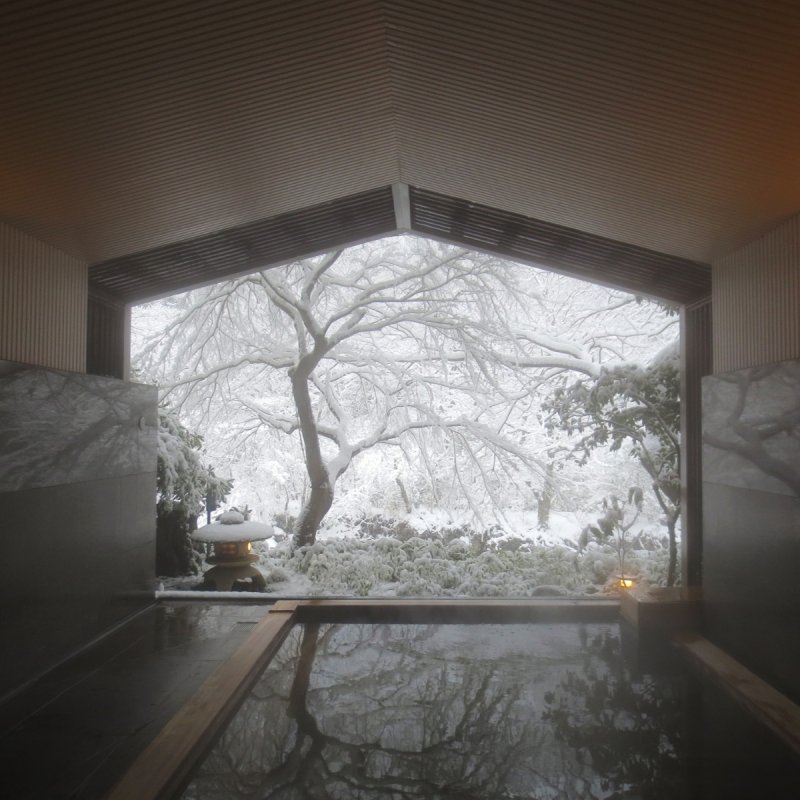
This is the season to be in Japan, where the air is fresh and the weather is cold, unlike in Thailand.
Some 1.5 hours from Haneda International Airport, Hakone is a popular weekend getaway for those living in Tokyo. It is a hotspot, pun unintended, because of its location in the Fuji-Hakone-Izu National Park, a mountainous town known for its onsen resorts and views of the iconic volcano Mount Fuji.
Though in a tourist town saturated by onsen resorts, finding the best may always be tricky. Enter Kai Hakone, located on the old Tokaido road in Hakone Yumoto onsen area. Kai Hakone is a charming hot spring ryokan where the healing waters of Mount Yusaka.
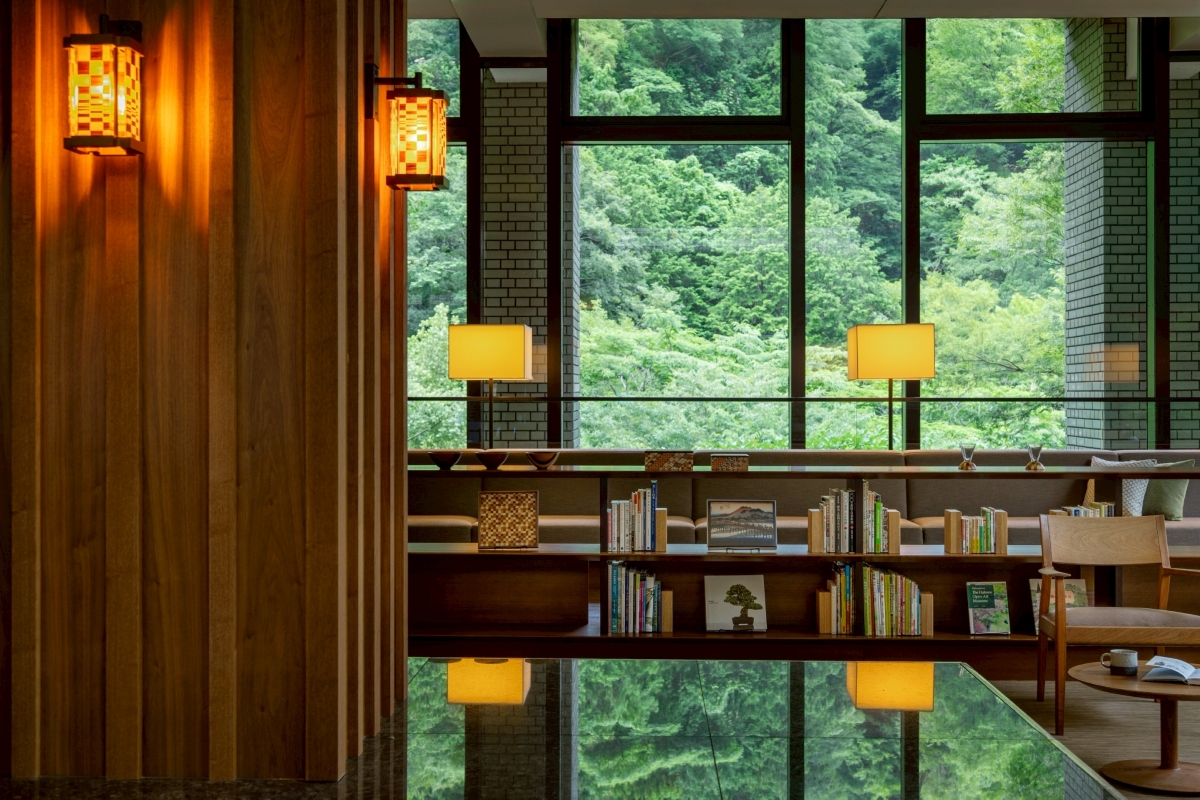
As one approaches the resort, it looks like a rather severe building of grey bricks and mortar. Though it’s not what’s on the outside, but on the inside and the minute you enter, you are enveloped with a warm, cosy lobby with a lot of woodwork. I’ve always thought of Japan as the Scandinavia of Asia, and here it is most apparent.
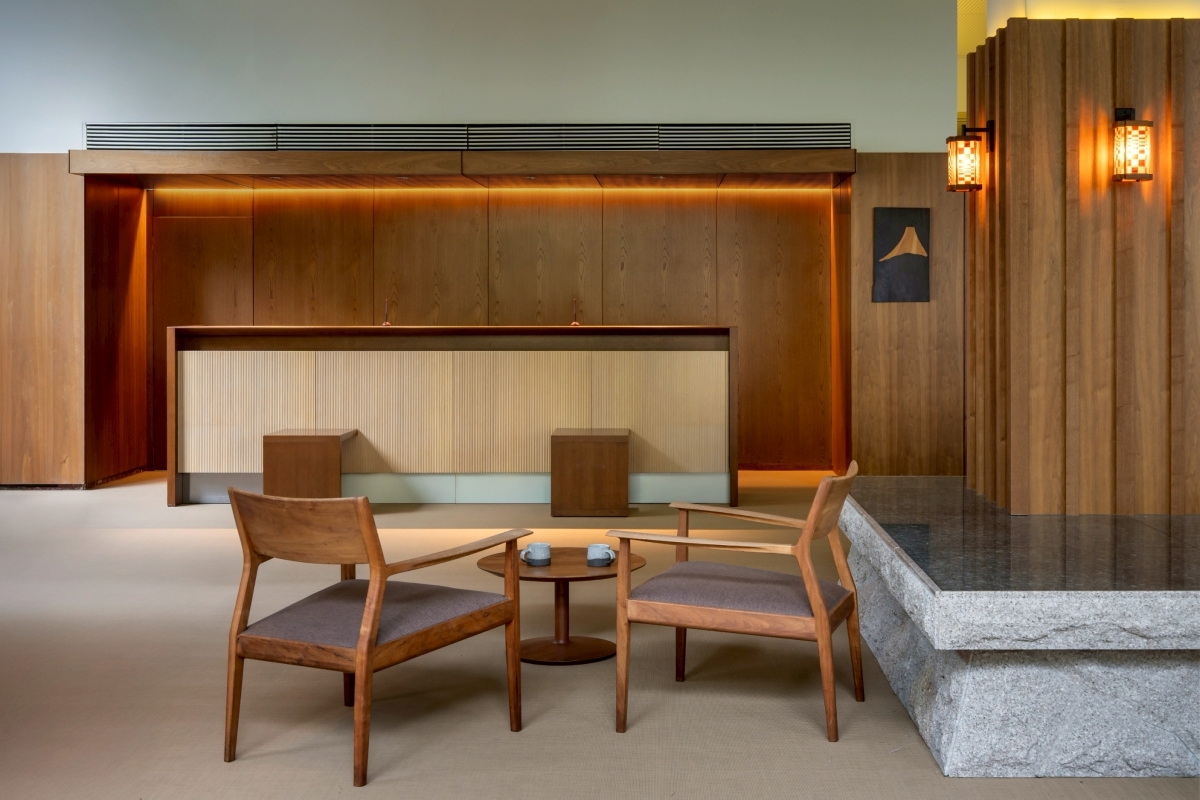
The lobby is minimalist chic with warm wood, which come from the surrounding regions. Rooms are divided into Japanese and Western-styles and I highly suggest choosing a Japanese-style one… when in Rome. All have a massive picture window that perfectly frames the woods, a side of the mountain and the river. To admire the view from the toasty interiors, the room has “counter seating”.
Tatami mats flow throughout the room and you have to take off your shoes at the door, like in most Japanese establisments. Though the seating and beds are in Japanese-style, with low-frames, it is not uncomfortable for us who aren’t really accustomed to living off the floor. There is also a Japanese suite with an outdoor bath and a Western suite with an outdoor bath to choose from.
Part of the check-in process at Kai Hakone is a short presentation from the “yumori” or hot spring concierge on the history of the hot spring, its qualities and effective ways to bathe. Dubbed the “ABCs”, it’s also a short introduction to the dos and don’ts of onsen bathing.
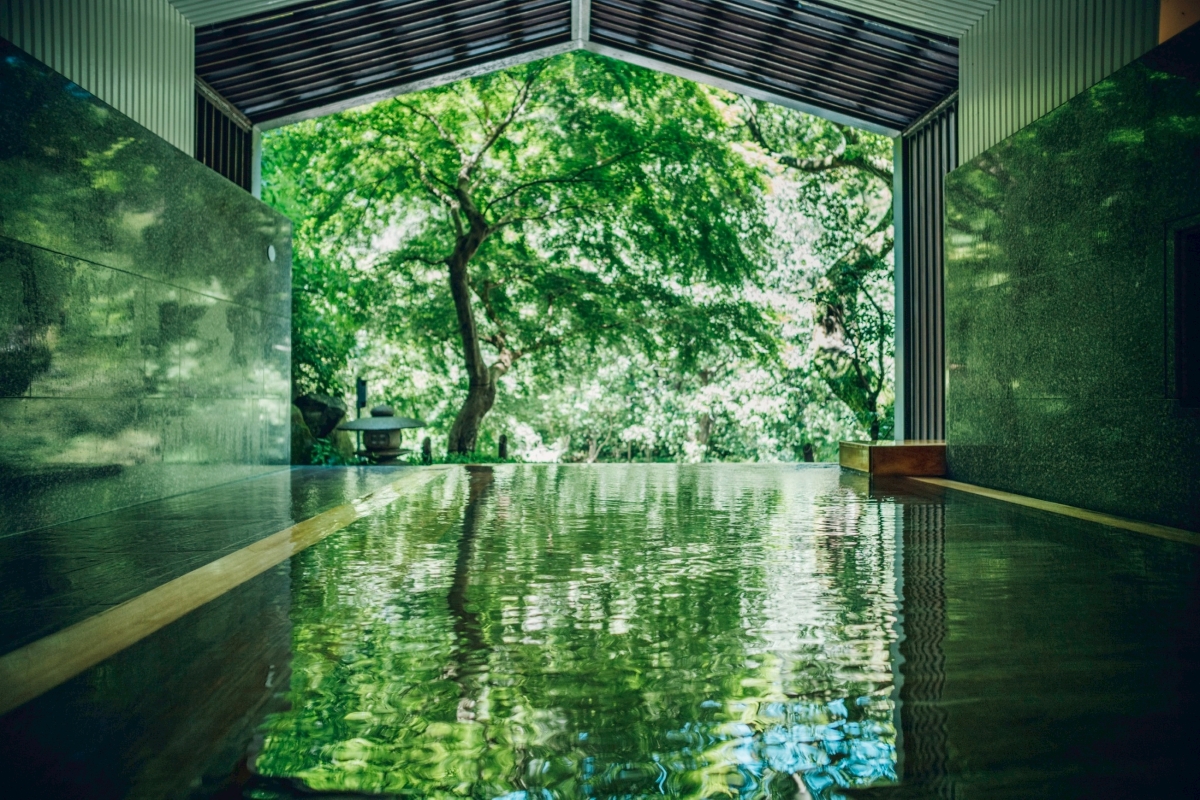
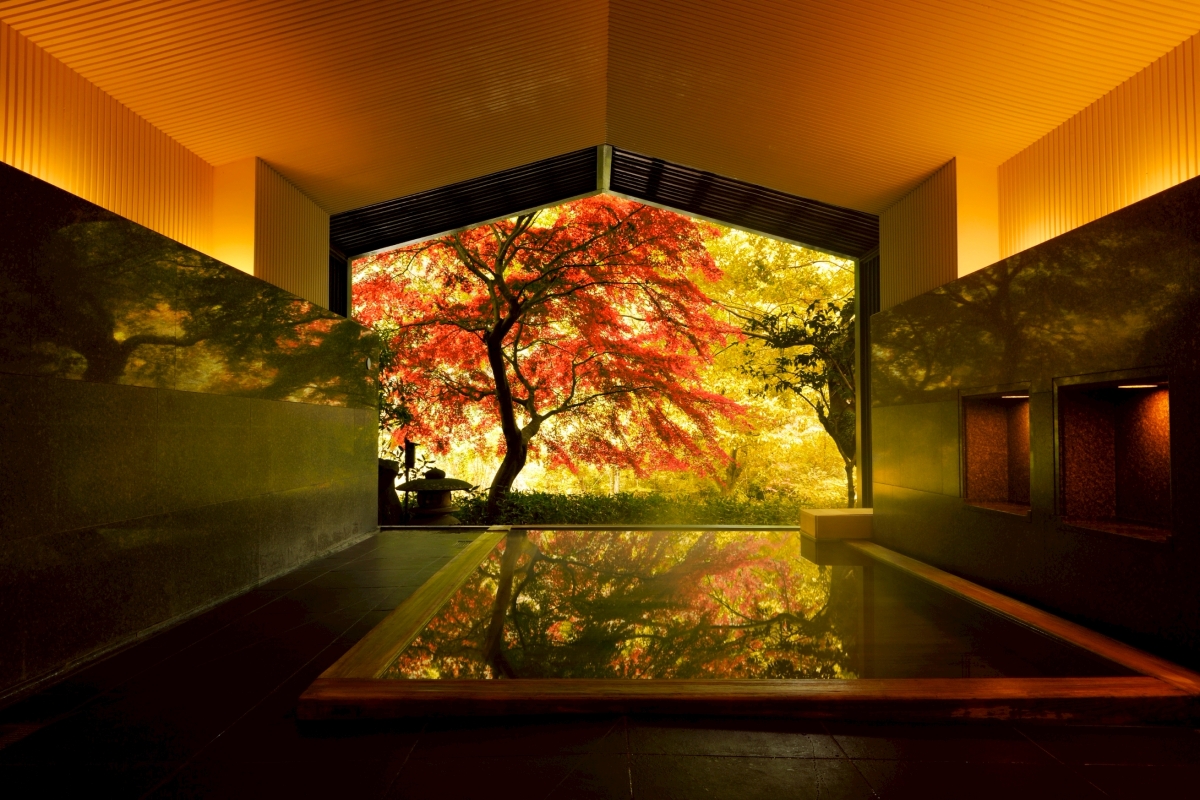
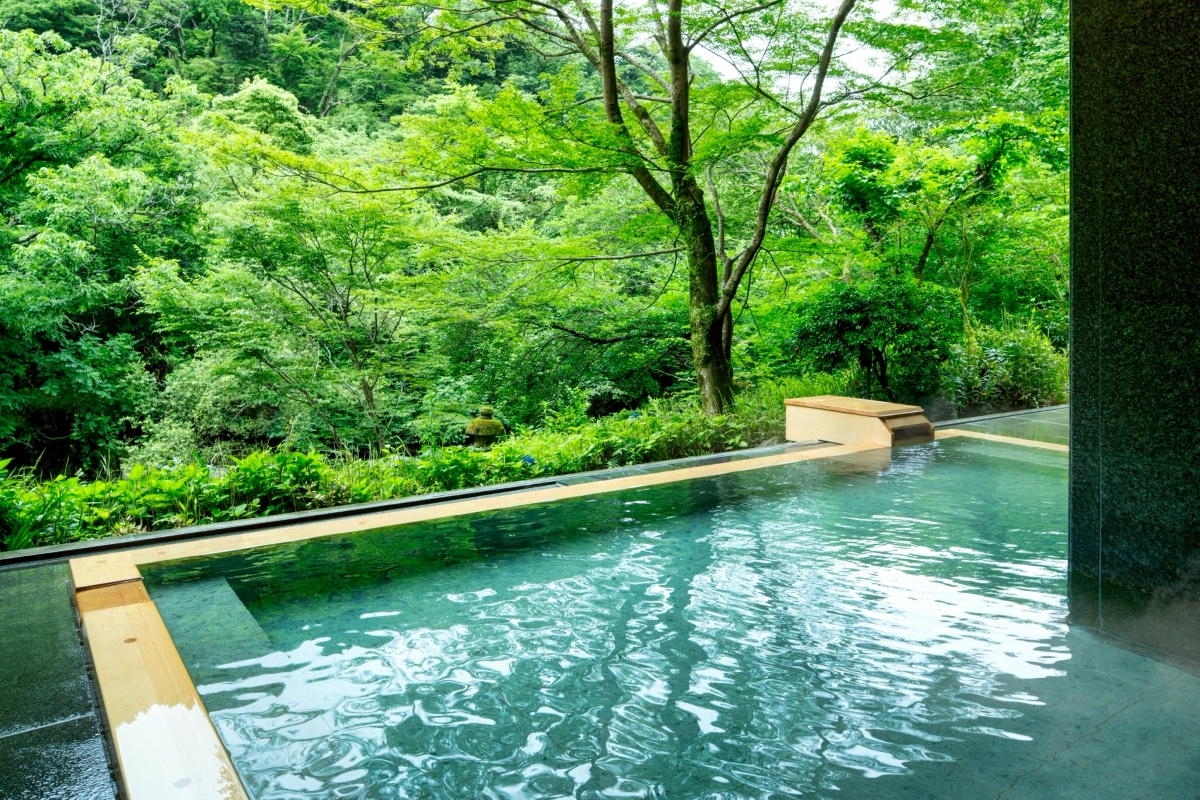
The onsen is in pure Japanese-tradition — separate for men and women. Though, it is open from 3pm-1am, the onsens switch rooms from 5-11am, so that one can get fresh views. The baths are lined with ancient hinoki cypress and are partially open-aired. The murmur of the river breaking the silence is the most soothing thing after a long day of sightseeing and walking around. The onsen waters contain sodium chloride that coat your skin and it is recommended not to shower after but to let the spring waters work their magic.
Once you are done with the onsen, step outside to the communal lounge area and treat yourself to either a cold tea or a cold lemonade. Though the best treat is one of the four flavours of ice lollies kept in the nearby freezer. Insider’s hot tip: the yellow one and the pink one taste the best.
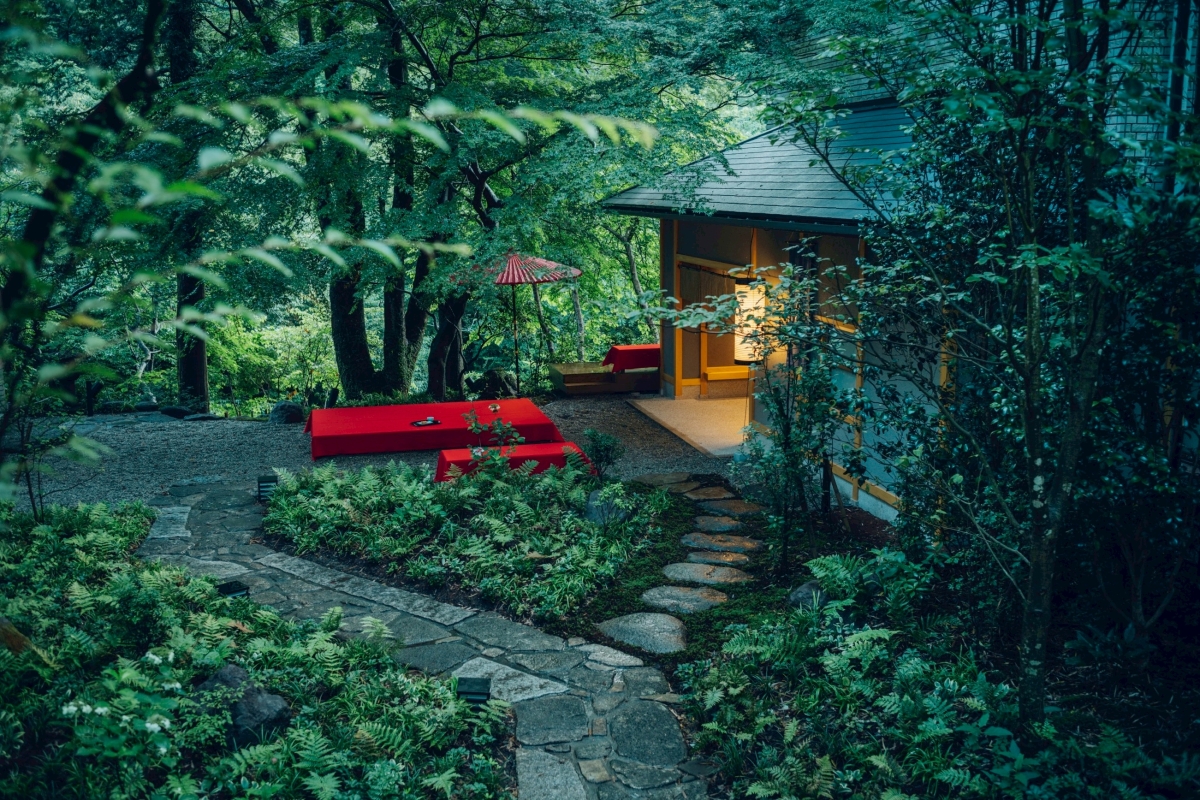
Hakone, a historic post town was established in 1618 on the Tokaido highway between Edo (Tokyo) and Kyoto, located between the steep Hakone Pass and Lake Ashinokois. It is one of the 69 rest stops that is along the ancient Nakasendo Trail. Teahouses known as “chaya” were the source of refreshment for people who travelled between the two cities and at Kai Hakone, the tradition of refreshment is continued.
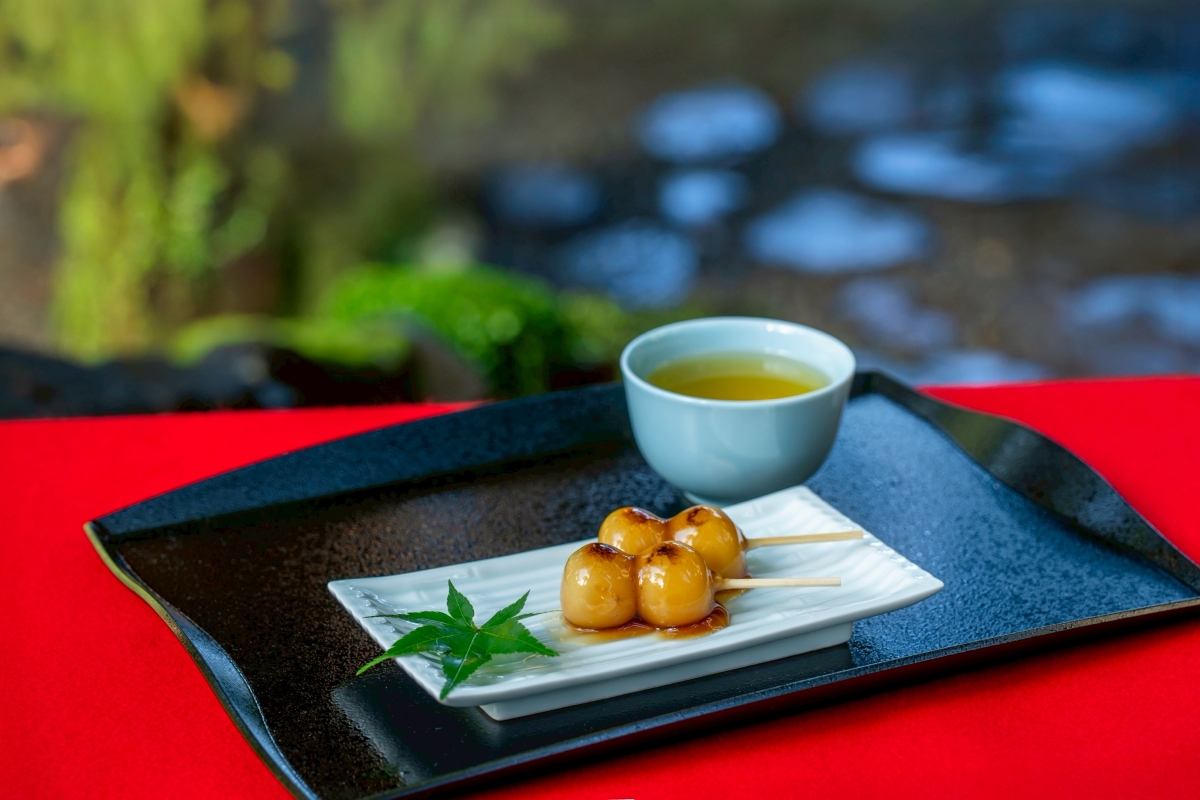
Sawa-Chaya Teahouse is in the courtyard, facing the river and serves tea and wagashi, in the form of dango with sweet or savoury sauce, in the early evenings, while at night it serves a ginger tea with black vinegar and brown sugar that relieves fatigue and regulates body temperature. There are benches overlooking the river for calm or should you feel the need to mix and mingle sit at the communal table, as was prevalent in the old days.
A good way to spend the late afternoon or early evening before the second round of dinner is to indulge in the “Kai Cultural Discovery: Authentic Hakone Yosegi Zaiku Experience”.
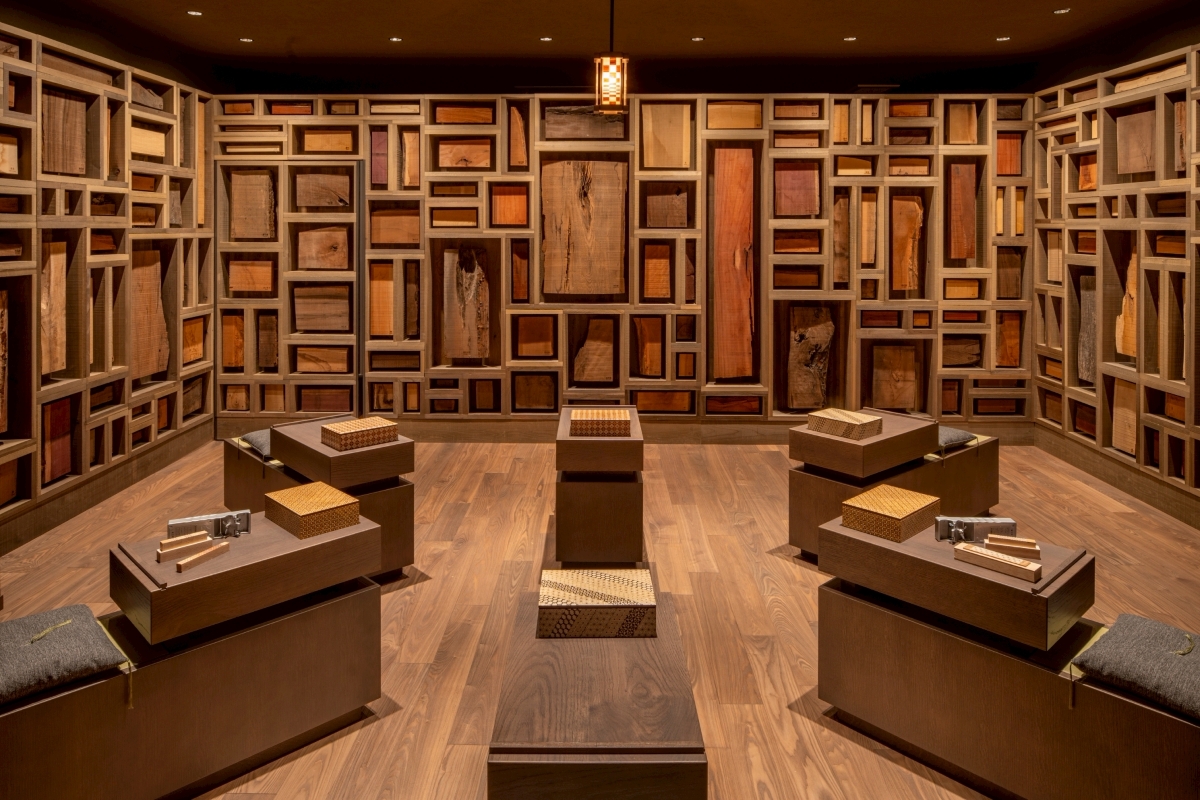
The workshop is held in part of the gift shop, which is designed to resemble a craftsman's workshop, featuring raw wood materials and focuses on the Hakone marquetry-making process. In collaboration with artisans of "Tsuyuki Mokkojo”, which stems from Odawara's woodworking traditional craft. Wood marquetry parts are pieced together to create detailed geometric designs that resemble those on a kimono. During the experience, you are showed how to use a plane to shave a thin sheet of wood from a "tanegi" block. The shaved sheet, called “zuku”, is then turned into a photo frame, creating a lasting memory.
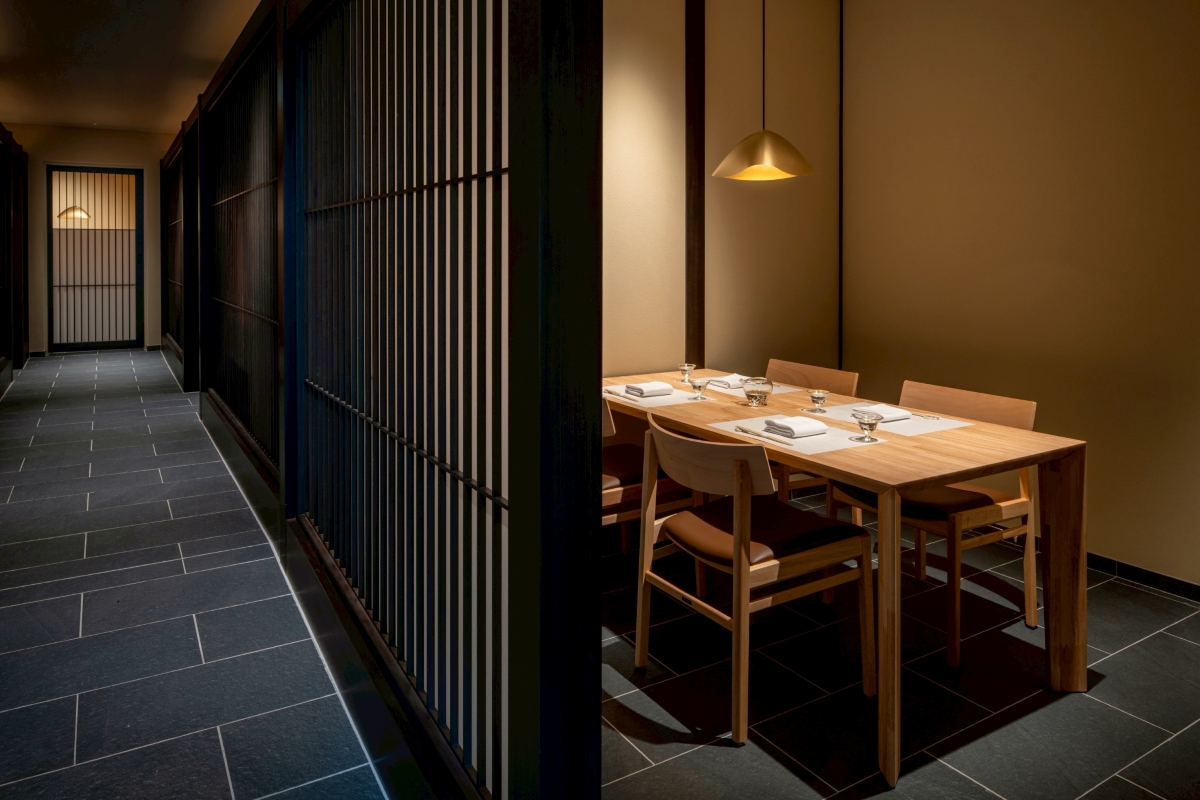
Like all ryokans, Kai Hakone only serves dinner and breakfast. The sole restaurant is divided by tatami mats into private dining spaces, so no one is disturbed, though it can get quite loud, at times. Dinner is absolutely spectacular and is served kaiseki-style. Dishes, though modern, are inspired by the region. A drink often consumed at the Hakone Pass was amazake or sweet fermented rice and that is turned into an amazake vichyssoise. The rest of the starters come in a wooden box, that mimics the "hasami-bako" that travellers used to carry their belongings, in the past.
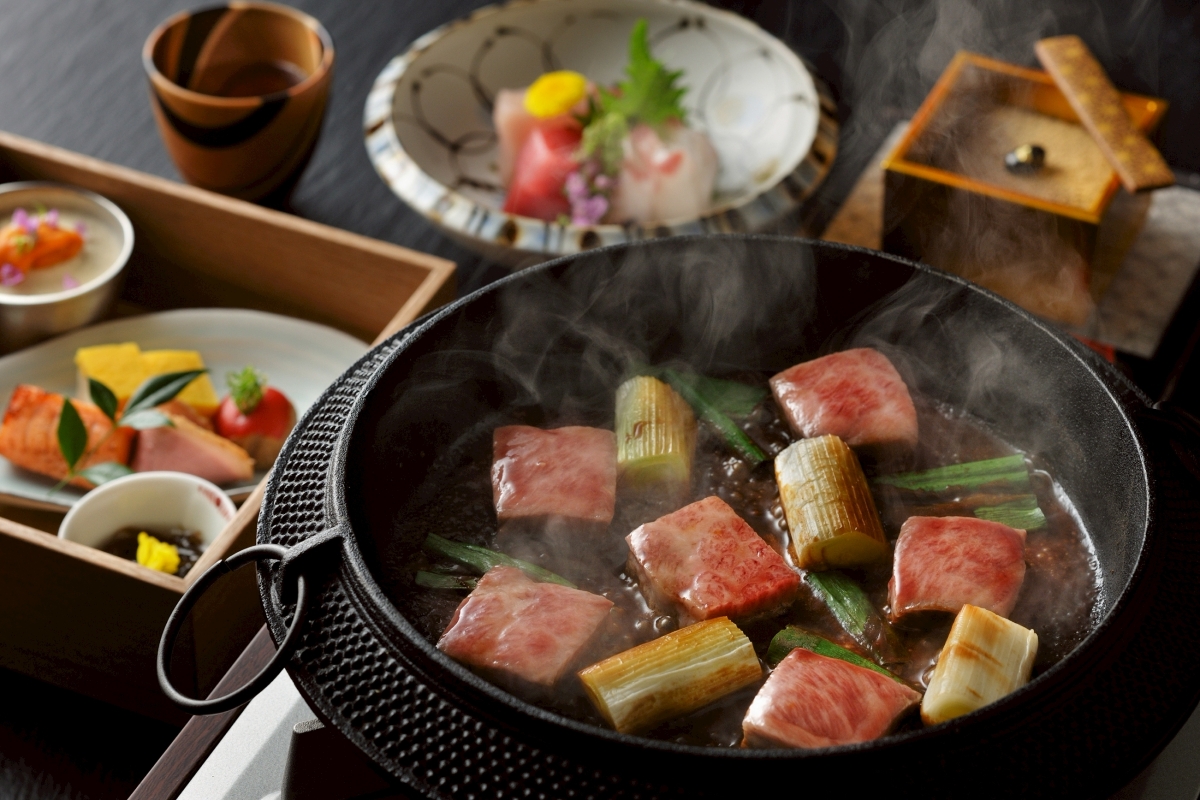
The main course is a classic! Broth-boiled beef and vegetables to us lay people but it is today’s version of the Meiji era beef hot pot. Beef became more prominent in Hakone food culture in the 19th century to cater to the Westerners who flocked to the area’s hot springs. Generous cubes of thick-cut beef seasoned in a miso sauce are cooked over a fire tableside and is an absolute treat!
If you are staying here for more than a night, fret not. The second day’s dinner is different and equally delicious.
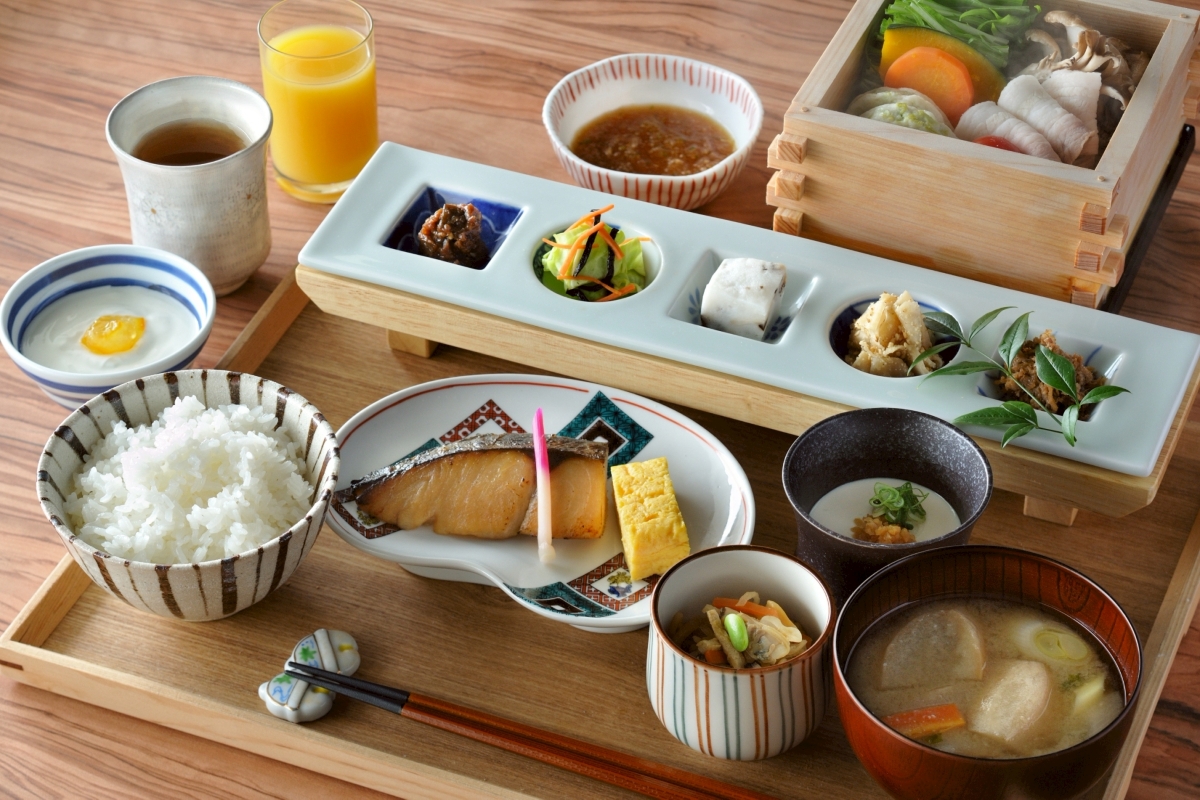
Breakfast is also served in the same room, in fact throughout your stay you are assigned a dining room that is solely reserved for you. Breakfast is made with local Kanagawa ingredients like ”kamaboko” or steamed seasoned fish paste and rice cake.
Kai Hakone offers a free shuttle to Hakone-Yumoto Station on the Odakyu Line, which is in the centre of town and where the Shinkansen from Tokyo stops. Though the town is quite touristy, there is a lot to do around Hakone. Each room is assigned a butler, who will aid you during your stay. The best thing about this is that, I told my efficient and friendly butler, Risa, where I planned to go sightseeing and the next thing you know, she appears with a detailed itinerary, down to times, bus numbers and schedules, and places to eat along the way. How is that for service?!
There are few places like Kai Hakone with spacious rooms and lots of free amenities. Though it is a 10-15 minute car ride to town, it is worth the peace and quiet that the off-beaten path brings.