


The government is introducing a five-point water management plan to prepare for possible droughts linked to the El Niño weather pattern, the Agriculture Ministry said on Sunday.
Agriculture Minister Suriya Juangroongruangkit said the country could face below-average rainfall from the middle of this year into next year due to climate variability and El Niño conditions.
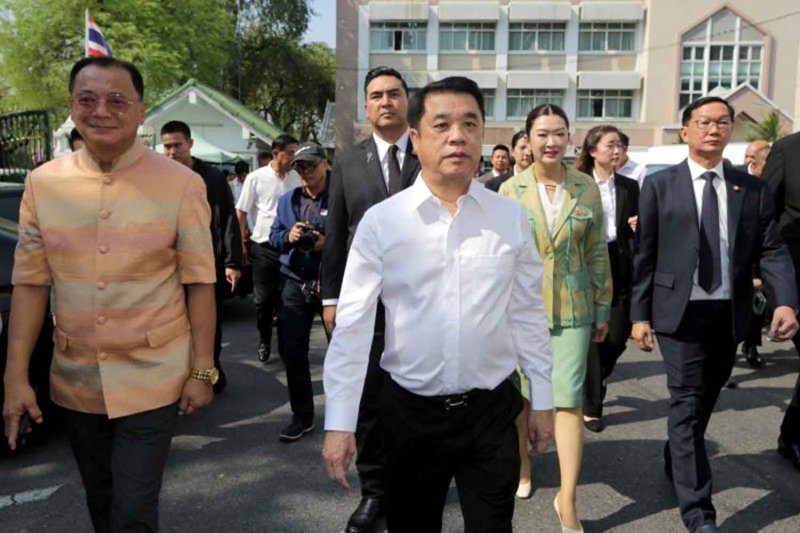
Speaking after inspecting Phakdi Royal Initiative Drainage Canal Project in Chanthaburi and Prasae Reservoir in Rayong on Sunday, Mr Suriya said the Royal Irrigation Department (RID) and various agencies had been ordered to strengthen water storage, distribution and conservation measures for households, farmers and industry.
He said the Eastern Economic Corridor (EEC) must maintain sufficient water supplies to support growing industrial demand, particularly through better coordination between reservoirs and canal systems.
Authorities have also been instructed to prepare flood prevention plans to protect hospitals, temples, historical sites and key community areas. During droughts, the RID will deploy water trucks and pumps to assist affected residents and farmers.
"Water security is essential for economic growth and investment, especially in the EEC," he said, adding the government was not treating the situation as a crisis but was accelerating preparations through five key measures.
The first focuses on increasing water reserves in reservoirs, community water sources and local distribution systems to ensure supply during dry periods.
The second prioritises water allocation using shared data and coordination between water, electricity, industrial and local government agencies.
The third aims to improve water efficiency in agriculture through precision irrigation, soil analysis, crop planning and climate-smart farming techniques.
The fourth measure involves closer monitoring of water conditions and agricultural output to provide earlier warnings to farmers and businesses.
The fifth seeks to improve "water productivity" by generating greater value from each unit of water used.


